New wheeled robot says no thanks to humanoid hype
The robot race has a familiar look right now. Two legs. A face-like head. A body that tries very hard to look human. Genesis AI is taking a different route with Eno, its first general-purpose robot. Instead of building another humanoid that looks like all the others out there, the company designed a wheeled robot that focuses on work first. That choice may make Eno more useful in the real world.
Genesis AI says Eno combines its full-stack hardware platform with GENE, the company's robotics-native AI brain. That means the company wants Eno to reason through tasks, adjust when conditions change and carry out jobs that go beyond pre-programmed movements.
In other words, Genesis wants Eno to do more than wait for step-by-step instructions. It wants the robot to understand the job and figure out how to get it done.
Sign up for my FREE CyberGuy Report
- Get my best tech tips, urgent security alerts and exclusive deals delivered straight to your inbox.
- For simple, real-world ways to spot scams early and stay protected, visit CyberGuy.com – trusted by millions who watch CyberGuy on TV daily.
- Plus, you'll get instant access to my Ultimate Scam Survival Guide free when you join.
A WHEELED ROBOT MAY BEAT HUMANOIDS INTO YOUR HOME
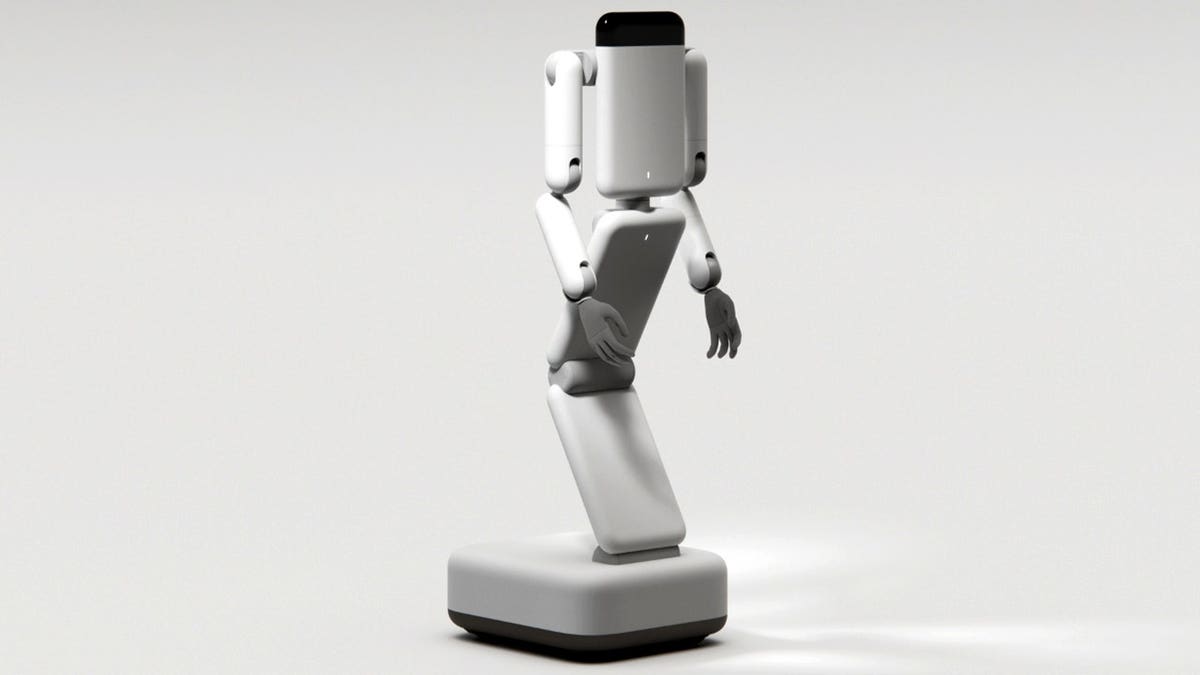
Genesis AI’s Eno robot uses wheels instead of legs as the company targets factories, warehouses and labs before homes. (Genesis AI)
Genesis AI Eno robot takes a different path
A lot of robot companies seem focused on the same idea: build a machine that looks like a person. You can understand why. Our homes, offices, hospitals and factories were all designed around people. But legs bring problems. They add cost, complexity and plenty of ways for something to go wrong.
That is why Eno's wheeled base stands out. Genesis AI says industrial customers actually asked for wheels. That tells you what businesses may care about most. They want a robot that can move reliably through a workspace and get a job done. In places like warehouses, labs and factories, wheels can make a lot of sense. The floors are usually flat. The routes are more predictable. The robot does not need to climb stairs to be useful.
Eno sits on that wheeled base with a tower-like body made of articulated panels. It can adjust its height and reach when needed. It can also fold down when the work is done.
Why the Genesis AI Eno robot uses wheels
The wheels get attention because they break from the humanoid trend. Still, the hands may decide whether Eno succeeds. Genesis AI says Eno uses proprietary dexterous robotic hands designed to match the form and function of human hands. That could help it interact with tools, doors, handles, buttons and everyday objects already made for people. A robot that can roll into a workspace still needs to grab, twist, lift, press and sort things with precision. Without useful hands, the robot becomes a moving camera with arms.
Genesis AI recently showed off GENE-26.5, its robotic foundation model system. The company says it can support complex physical manipulation, including cooking tasks, lab pipetting, multi-object grasping, and even solving a Rubik's Cube.
How the Eno robot shows people what it is doing
One optional feature on Eno could make a big difference for the people working around it: a screen that shows what the robot is thinking and doing in real time.
Think about it. If a robot is moving near you, reaching for objects or changing direction on its own, you probably want some clue about what it plans to do next.
That is where the cognitive interface could help. It could show whether Eno is planning a route, waiting for someone to move or getting ready to pick up an object.
Seeing what Eno is about to do could cut down on guesswork. It could also make the robot feel a little less unsettling in shared spaces.
THE NEW ROBOT THAT COULD MAKE CHORES A THING OF THE PAST
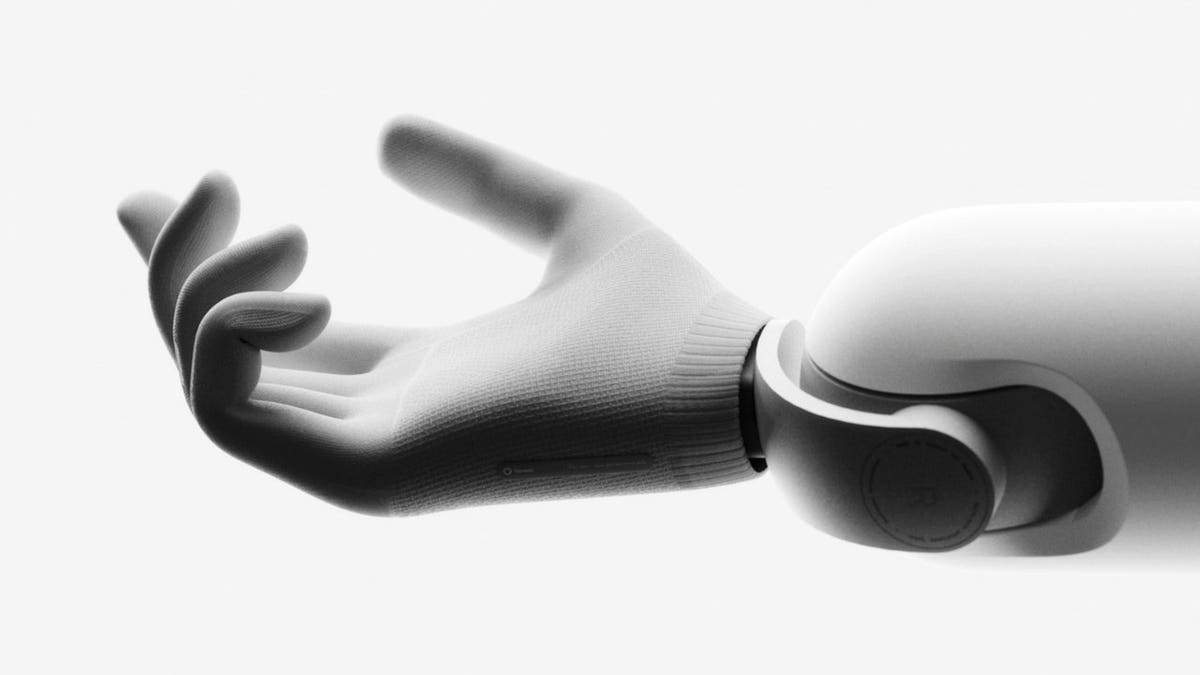
Eno combines a wheeled base, dexterous robotic hands and Genesis AI’s GENE robotics model for real-world workplace tasks. (Genesis AI)
Genesis AI Eno robot heads to factories first
Genesis AI says Eno will start with industrial customers by the end of 2026. The first deployments are expected to focus on manufacturing, logistics companies and laboratories. That rollout makes sense. Industrial settings offer clearer tasks, tighter workflows and more controlled environments than homes.
After that, Genesis AI plans to bring Eno into service settings such as hotels and hospitals. Home and outdoor uses would come later.
That timeline also keeps expectations grounded. A robot that can help stock a production line may arrive long before one that can safely handle laundry, dishes, pets, kids and clutter. Homes are chaotic. Factories at least try not to be.
Why general-purpose robots are hard to build
The phrase "general-purpose robot" sounds simple. The reality is much harder. A factory robot can weld the same part thousands of times. A vacuum robot can map a floor and avoid furniture. A delivery robot can follow a route.
A general-purpose robot has to do more than repeat one job. It has to understand a goal, read the room, use tools and recover when something goes wrong. That is the challenge Genesis AI says GENE is built to handle. The company says the model gives Eno memory, reasoning and the ability to plan multi-step tasks over time.
Genesis AI also has high-profile backing behind the robot. Eric Schmidt, former Google CEO and Genesis AI investor, said: "What Genesis is building with Eno is a fundamentally new model for extending human capability through advanced robotics." Schmidt added, "The combination of agentic intelligence, intuitive interaction and the ability to operate alongside people in the physical world creates a system that can help individuals and organizations accomplish more. The breakthrough is not replacing human expertise, but amplifying it — making advanced robotics genuinely useful, accessible, and scalable across industries. That is how we will unlock one of the largest economic opportunities of the AI era."
Genesis AI Eno robot challenges humanoid hype
Eno arrives at a time when robot companies are trying to prove that machines can do more in the physical world with less human direction. Some companies are betting on humanoids. Genesis AI is betting that useful design may beat human-like design.
That choice could resonate with businesses. If a wheeled robot costs less, breaks less often and performs better on flat floors, it may beat a humanoid in many practical settings. The keyword is "if." Genesis AI still has to prove Eno can work reliably with real customers. Demos can show potential. Deployments reveal the hard truth.
BMW PUTS HUMANOID ROBOTS TO WORK BUILDING EVS
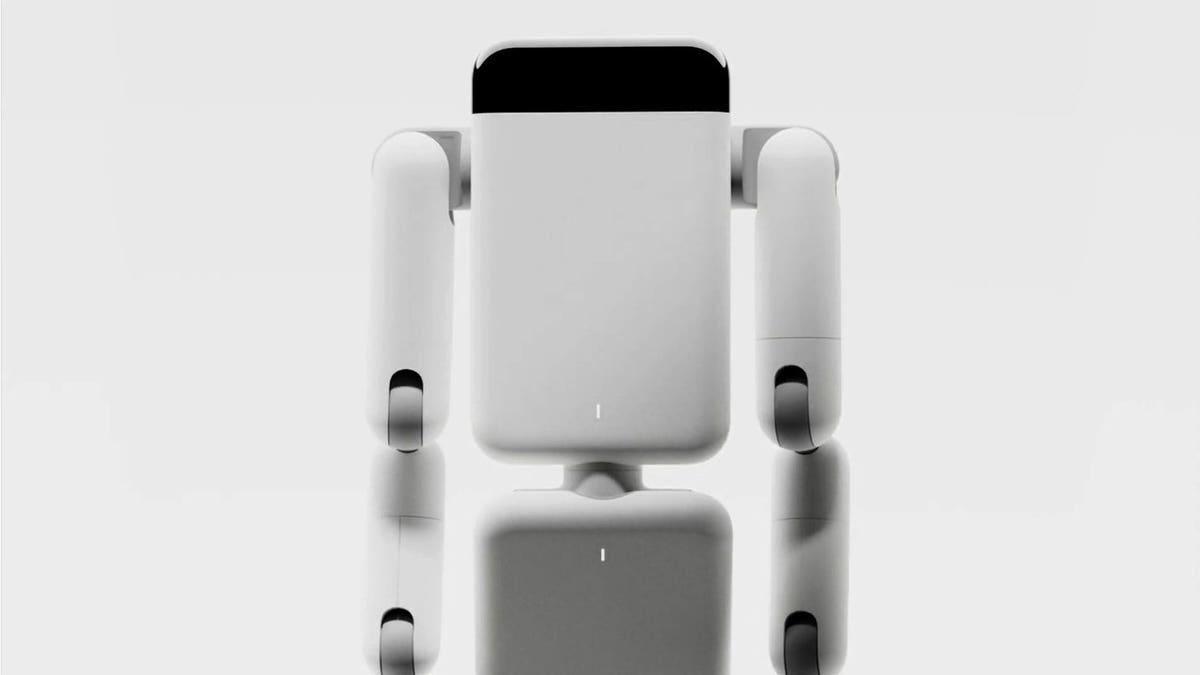
Genesis AI says Eno can reason through tasks, adjust to changing conditions and operate alongside people in industrial settings. (Genesis AI)
What the Genesis AI Eno robot means to you
For most of us, Eno will not show up in our living rooms anytime soon. You are more likely to see this kind of robot at work before you see it at home. Robots like Eno could start in factories, warehouses, labs, hospitals or hotels. That could affect how products get made, how supplies move and how businesses deal with labor shortages. It also raises some real questions. Who is responsible when a robot makes a bad decision? How much should workers be able to see about what the robot is doing? What data does a workplace robot collect as it moves around people?
The screen idea could help build trust, but it does not solve everything. A robot that can reason through tasks still needs clear limits, strong safety rules and human oversight. The bigger takeaway for you is this: The home robot future may not look like a metal person walking through your kitchen. It may look more like a compact machine on wheels with very capable hands.
Take my quiz: How safe is your online security?
Think your devices and data are truly protected? Take this quick quiz to see where your digital habits stand. From passwords to Wi-Fi settings, you’ll get a personalized breakdown of what you’re doing right and what needs improvement. Take my Quiz here: CyberGuy.com.
Kurt's key takeaways
What I like about Eno is that it does not seem obsessed with looking human. It skips the legs and the fake face and gets right to the bigger question: Can this thing actually help people get work done? That is where this robot gets interesting. A wheeled robot may not look as flashy as a humanoid, but it could make a lot more sense in the places where robots are likely to show up first. Think factories, labs, warehouses and hospitals. Of course, Genesis AI still has to prove Eno can handle the real world. A demo is one thing. A busy workplace with people, tools, tight spaces and unexpected problems is another. Still, this may be a sign of where home robots are headed. The first truly useful robot in your life may not walk through the front door on two legs. It may roll in on wheels and get straight to work.
CLICK HERE TO DOWNLOAD THE FOX NEWS APP
Would you feel comfortable working next to a robot that shows you what it is thinking, or would that make you trust it even less? Let us know by writing to us at CyberGuy.com
Sign up for my FREE CyberGuy Report
- Get my best tech tips, urgent security alerts and exclusive deals delivered straight to your inbox.
- For simple, real-world ways to spot scams early and stay protected, visit CyberGuy.com – trusted by millions who watch CyberGuy on TV daily.
- Plus, you'll get instant access to my Ultimate Scam Survival Guide free when you join.
Copyright 2026 CyberGuy.com. All rights reserved.
Kurt "CyberGuy" Knutsson is an award-winning tech journalist who has a deep love of technology, gear and gadgets that make life better with his contributions for Fox News & FOX Business beginning mornings on "FOX & Friends." Got a tech question? Get Kurt’s free CyberGuy Newsletter, share your voice, a story idea or comment at CyberGuy.com.