US Launches New Round of Strikes Against Iran as Escalation Threatens Shipping
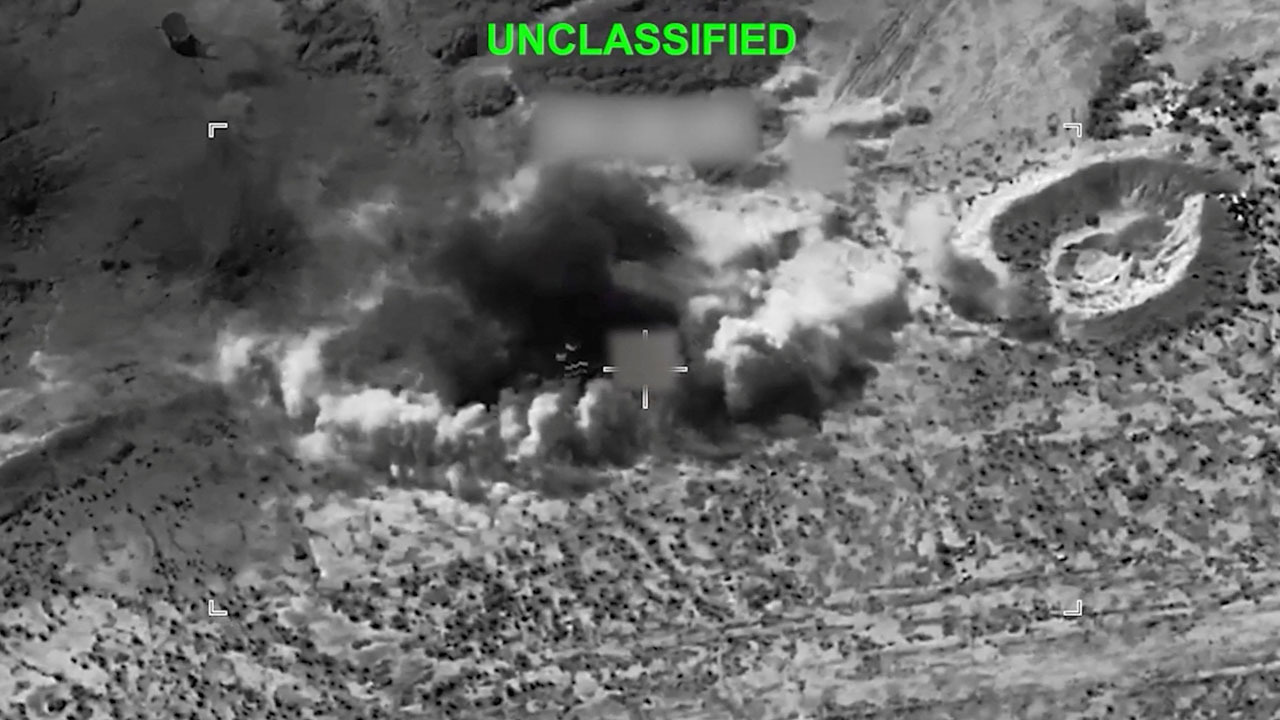
Smoke rises from an explosion at an unknown location, during what U.S. Central Command (CENTCOM) says are strikes on Iran, in this screen grab taken from a handout video released on July 14, 2026. (U.S. Central Command/Handout via REUTERS)
CAIRO/DUBAI, July 15 (Reuters) – The U.S. said it had begun a new wave of strikes against Iran on Wednesday after reimposing a naval blockade of Iranian ports, while Iran threatened to shut off more regional energy exports.
The strikes mark the latest escalation of attacks and counterattacks launched by the two sides as they vie for control of the Strait of Hormuz, which carried about a fifth of global oil and gas shipments before the war.
“At 6 a.m. ET today, U.S. Central Command forces began launching a wave of strikes against Iran,” the U.S. military said.
“The strikes are designed to further degrade military capabilities Iranian forces have used to attack commercial shipping in the Strait of Hormuz.”
The U.S. statement gave no further details and there were no immediate reports of attacks in Iranian media.
Late on Tuesday the U.S. military said it had hit dozens of military targets near the Strait of Hormuz and Iranian coastal areas in strikes lasting seven hours.
TRENDING ARTICLESIn response, Iran’s Islamic Revolutionary Guard Corps said on Wednesday it had struck U.S. military targets in the region, including in Bahrain, Kuwait and Jordan.
It also threatened on Wednesday to shut off more regional energy exports, saying the U.S. “must brace for the closure of all other export corridors that benefit the U.S. and its allies”.
The U.S. has said Iran had attacked seven commercial ships over the last week, leading to nearly a dozen crew members being killed, missing or injured.
The war, which began with U.S. and Israeli strikes against Iran on February 28, triggered Iranian attacks on Gulf states that host U.S. bases and caused major disruption to global energy supplies, raising fears of a surge in inflation.
Oil prices extended gains by about 1% on Wednesday, after settling on Tuesday on a new one-month high.
An interim ceasefire deal in the conflict signed last month was meant to lead to further negotiations and a permanent truce, but a return to talks has faltered.
(Additional reporting by Reuters bureaus; Writing by Aidan Lewis; Editing by Alexandra Hudson)