Trump Is Dealing With the Patient Protection Slush Fund
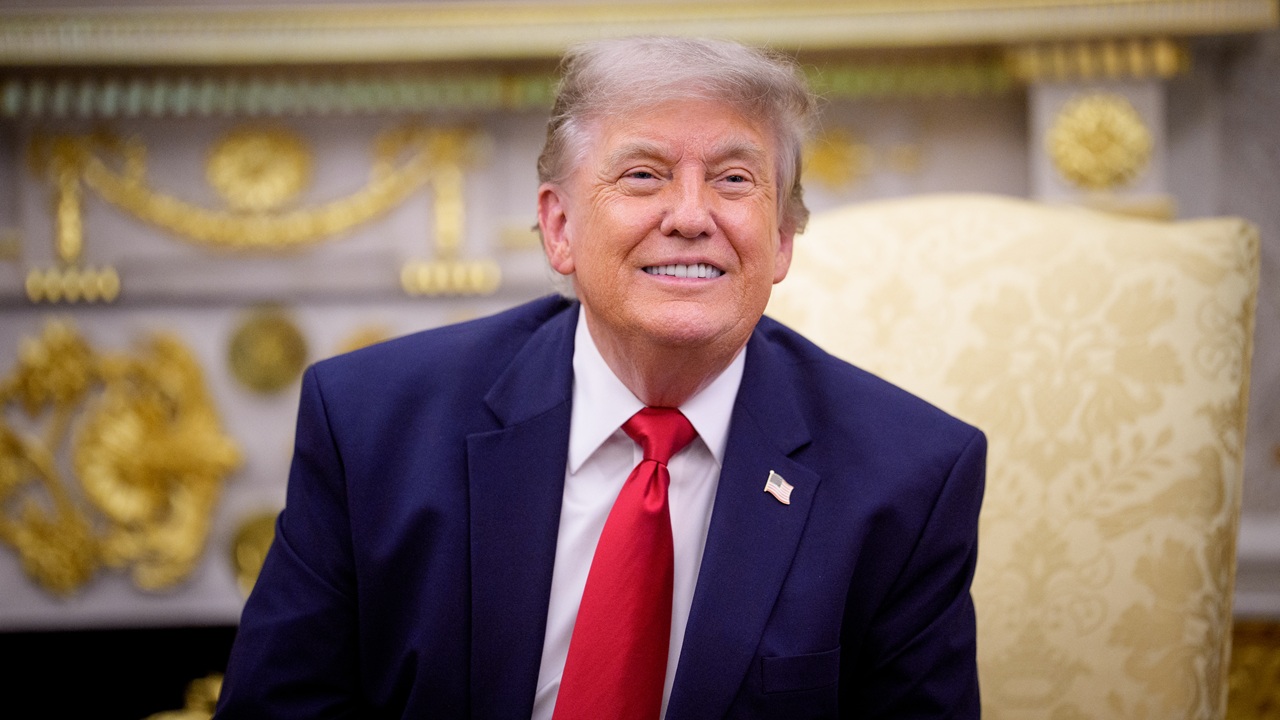
President Donald Trump signed the No Surprises Act in 2020 to stop patients from getting ambushed by medical bills they never agreed to pay. Under the Biden administration, it became one of the most lucrative slush funds for providers who use a loophole in the law to overbill for procedures and drive up costs for all Americans. The Trump administration has attempted to fix the problem, but it doesn’t go far enough.
The law’s arbitration process, known as Independent Dispute Resolution (IDR), was designed as a narrow backstop for rare payment disputes between insurers and out-of-network health care providers. When the law passed, the government expected roughly 17,000 cases a year. Providers filed 1.2 million in the first half of 2025 alone.
The IDR process is a lucrative business for providers and arbitrators. Instead of billing patients, providers take health plans to arbitration, and federal contractors pick a side. Under the Biden Administration, providers won over 85% of decisions. As a result, they received awards of three to nine times the in-network rate.
Congress has a bad habit of passing a bill with a catchy title that pretends to solve a problem and either fails to do so or opens up a whole other can of worms. Washington has claimed victory because patients stopped getting bills in the mail. The patient is protected at the mailbox while the American people pay for the racket behind the scenes through higher premiums, smaller paychecks, and bigger tax bills.
Every inflated award has a cost. Every ineligible dispute has a cost. Every administrative fee, delay, appeal, and resubmission has a cost. The money paid out in these disputes does not appear from thin air. It comes out of the pockets of the same families this law was written to protect.
A New York Times analysis from April highlights the problem. It noted an instance where a neurosurgery practice outside of Philadelphia received $333,000 from an arbiter for a diagnostic procedure when the insurer offered its standard payment of $2,660. In another instance, an anesthesiologist received a $14,560 award for an x-ray guided steroid injection on a Medicare patient that should not have been eligible for arbitration.
TRENDING ARTICLESThe arbitration system has had significant impact on breast reduction surgeries. Medicare pays roughly $1,145 for the procedure in Connecticut, and private insurers typically pay less than $10,000. Arbitration awards for these procedures have been in the hundreds of thousands of dollars in some instances, and they have led to litigation between insurers and providers over the astronomical awards.
The litigation has gone in both directions, with insurers suing providers for allegedly milking the arbitration system to make millions and providers suing insurers over their refusal to pay high arbitration awards. One insurer told The New York Times that breast reductions have become its most expensive category of arbitration claims.
The referees got cut in too. The arbitration entities that decide these disputes are paid per case, which means the explosion in filings is a revenue stream. Arbitrators collected more than $1 billion in the law’s first two years. When the referee gets paid as long as the game keeps going, do not be surprised when the game never ends.
The Trump administration instituted a new rule to curb IDR arbitration claims, CMS 9897. It correctly identifies some of the major issues with the process. It cuts administrative costs, tightens eligibility determinations, standardizes communications, and imposes order on a process defined by confusion and abuse. The administration deserves credit for that.
But a better-functioning arbitration system is not the same as a fixed one. If the incentives stay in place, lower fees just make it cheaper to file junk claims. Better forms will not stop the abuse the system still rewards. Faster processing just pushes money through the same broken pipeline at higher speed.
The fix is not complicated. Eligibility should be verified before a dispute enters the system, not after everyone has already spent time and money processing it. Repeat filers of ineligible and inflated claims should face real consequences, not a fee schedule they can price into business plans. And arbitration should be reserved for what Congress intended: genuinely rare, genuinely legitimate disputes—not mass-filed claims engineered to squeeze payers and extract inflated awards.
President Trump signed the No Surprises Act to protect patients. The Biden administration turned its implementation into a feeding frenzy for insiders. This administration has promised to root waste, fraud, and abuse out across the federal government, and IDR should be no exception.
Finish the job. Shut down the mess Biden left behind.
We publish a variety of perspectives. Nothing written here is to be construed as representing the views of the Daily Signal.