🔻Avocados Aren’t What You Think They Are Anymore - Cypher News
[ CYPHER CODE #656 ]
Fake quality thrives where real standards disappear.
[ CYPHER CODE #657 ]
When regulation is vague, marketing becomes the product.
[ CYPHER CODE #658 ]
Big Food didn’t improve nutrition. It improved the label language.
Grant here. Ah, avocados… the glorious velvety fruit that has graced virtually every “healthy” meal for at least the past decade. They’re often recommended by doctors, hailed by fitness influencers, and the infamous “avocado toast” is literally the food of the millennial generation. But unfortunately there’s something dark lurking underneath the layers of green, fatty goodness. Let’s break it down.
For years, avocados have sat in the dietary safe zone. They’re literally synonymous with the term “good fats” and clean eating. This label has built an unbreakable level of trust, and that’s what makes them incredibly valuable to industrial food producers.
The first issue with many avocados is that behind the scenes, they’re no longer ripened naturally. They’re rushed through ethylene gas chambers to look perfect on the shelf, even if flavor and phytonutrients never fully develop. What’s more, avocado oil follows the same pattern. Products marketed as premium are often oxidized, diluted with cheaper seed oils, or deodorized to hide spoilage, all while labels suggest purity and health.
The primary reason why all of these shady tactics work is because in the U.S. there are no enforceable standards for avocado oil. There’s literally no clear definition of processing rules or even a requirement for expiration dates.
But it’s not just avocados themselves or the oil that’s a problem here. Things also get downright shady when you start looking at products that are marketed to contain avocado, like store-bought guacamole.
Dr. Eric Berg breaks the entire avocado mystery down in a thread on X, and most importantly, he lays out the tools we all need to make sure we don’t continue to fall for this avocado scam.
SOURCEHere’s the ugly truth about avocados (that you won’t like):
I used to think they were the most amazing superfood you could possibly eat.
I even recommended them to my patients…
Until I found this out: 🧵
Here’s the ugly truth about avocados (that you won’t like):
I used to think they were the most amazing superfood you could possibly eat.
I even recommended them to my patients…
Until I found this out: 🧵 pic.twitter.com/6ESfHU9XHe
— Dr. Eric Berg (@dr_ericberg) December 25, 2025
Subscribe today
Cut through the noise, the spin, and the propaganda.
Many avocados are artificially ripened.
They’re placed in gas chambers and treated with ethylene gas to speed up the process.
But this prevents natural flavor compounds and phytonutrients from developing.
It may look perfect outside, but it lacks quality inside.
Now let’s talk about avocado oil.
A study of 22 major brands revealed alarming findings:
• High oxidation levels (causing inflammation)
• Oils diluted with soy or canola
• Some products contained 0% avocado oil
82% of avocado oil on shelves is not what it claims to be.
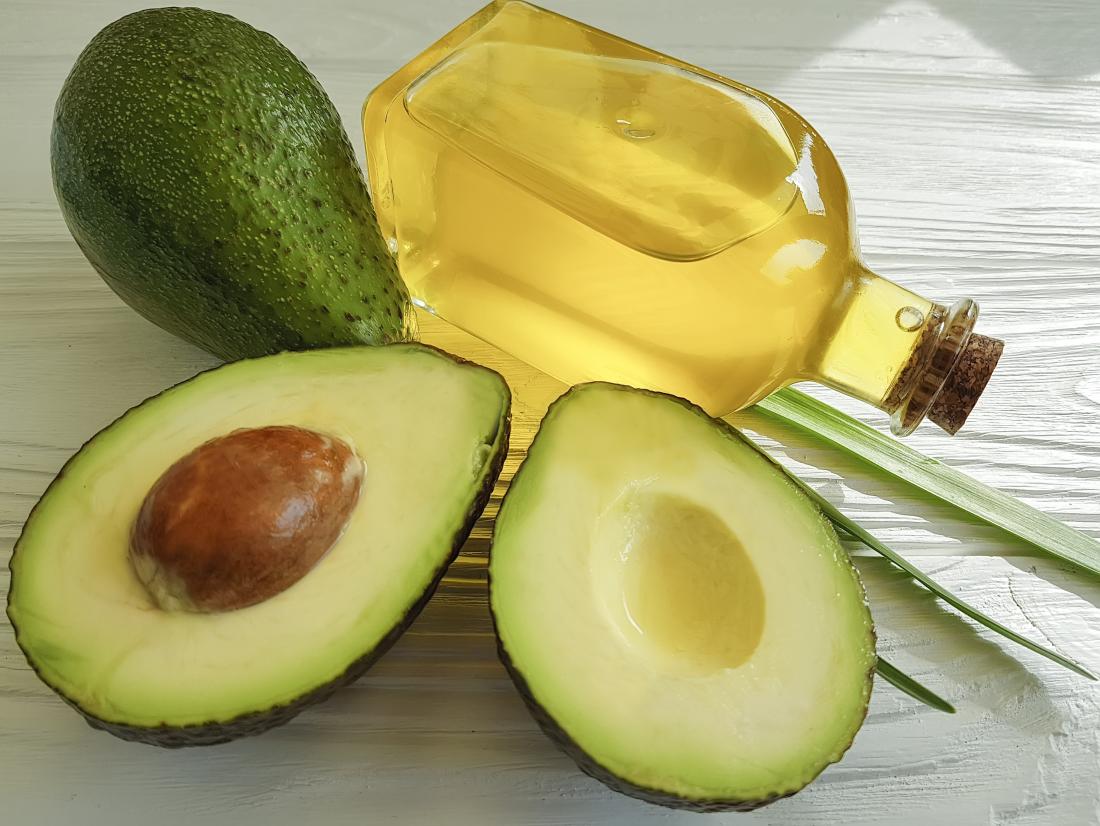
Why oxidation matters:
Oxidized oil becomes harmful & causes inflammation.
Just like a cut apple turns brown, avocado oil goes rancid when exposed to air, heat, or light.
You can’t taste it, but it is still there and damaging your body at a cellular level.
And it gets worse…
There are no official U.S. regulations for avocado oil.
Unlike olive oil, which has international standards, avocado oil can be diluted, deodorized, or mislabeled with no legal consequences.
Some bottles don’t even list an expiration date.
How to protect yourself:
• Choose dark glass bottles
• Check for a harvest date & expiration date
• Avoid the cheapest brands
• Fresh oil should have a slight green tintKeep in mind: “Product of USA” may still be grown in China, blended in Mexico, bottled in the U.S.
What about guacamole?
Most fast-food guacamole contains less than 5% avocado, and sometimes none at all.
It’s often replaced with:
• Green peas
• Hydrogenated oils
• Starches and fillers
What you’re actually eating is mostly green goo.
Even skincare products can be misleading.
Many “avocado oil” creams list soy, palm, or mineral oil first.
The avocado oil is often just a trace amount, added for marketing purposes.
How to pick real avocados:
• Choose ripe, firm fruit
• Avoid shiny, wax-coated ones
• Test ripeness with a gentle thumb pressWhen selected properly, avocados are highly nutritious, packed with potassium, magnesium, and healthy fats.
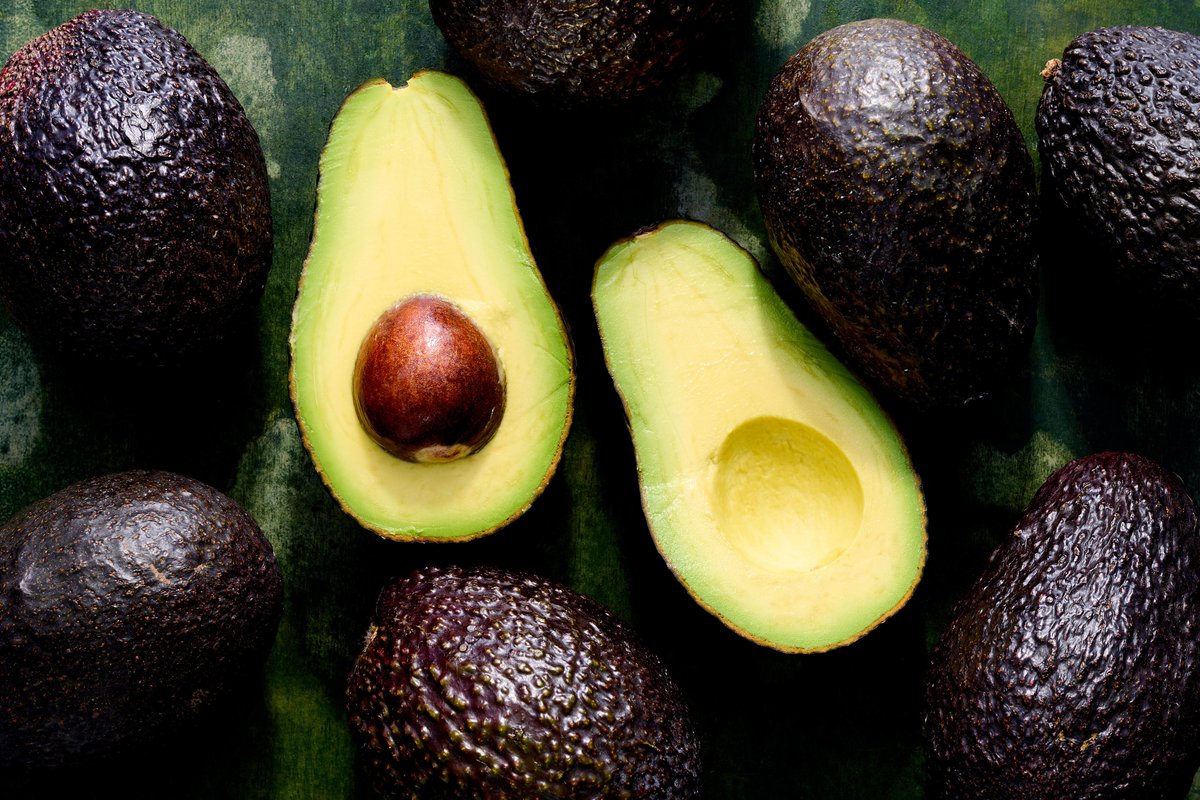
One medium avocado provides up to 900 mg of potassium, essential for muscle, nerve, and heart function.
They’re also rich in magnesium and have far less omega-6 than seed oils.
But these benefits only apply to real, properly ripened avocados.
Avocados are still one of the best foods out there when chosen carefully.
They provide healthy fats, potassium, magnesium, and support overall health.
To learn more about the ugly truth of avocados and how to get the best quality, watch this video:
https://www.youtube.com/watch?v=t5xrgZg8qc4
DEBRIEFINGWhat’s happening with avocados isn’t a fluke, and it isn’t confined to health food stores or specialty oils. Frankly, avocados are “big business now,” and with that, clear standards are disappearing, quality is becoming optional, and marketing is doing all the heavy lifting.
Companies don’t even need to convince consumers that a product is good. They only need it to look good with all the right buzzwords surrounding it. Hearing words like “pure,” “natural,” and “premium” are doing far more work than actual ingredients. And because there’s no meaningful standard enforcement, the gap between what’s implied about the quality and what’s actually being delivered keeps widening.
This is why health-conscious consumers are often the easiest to exploit. They’re usually willing to pay more for quality, and they assume higher prices mean better standards. Big Food obviously understands this psychology, so instead of improving, they refine messaging, trim costs behind the scenes, and count on trust to bridge the difference.
The real issue isn’t whether avocados are healthy, because as Dr. Berg points out, when properly grown and processed, they are. But the issue is that the systems meant to protect consumers from deception have been hollowed out, leaving shoppers to navigate a maze of half-truths on their own.
NOW YOU KNOWWhen standards disappear, “healthy” becomes whatever the label says it is.