Trump Heads to Camp David as High-Stakes Iran Questions Mount
President Trump is heading to Camp David this weekend, taking a rare break from Washington, but make no mistake — this is no vacation.
The Commander in Chief is using the historic presidential retreat as a policy war room, preparing to face the next crucial stage of negotiations with Iran after signing a historic memorandum of understanding earlier this week.
The 14-point MOU, signed at the Palace of Versailles and co-signed by Iranian President Masoud Pezeshkian, set a sixty-day timeline to hammer out final terms aimed at stabilizing the Gulf region and reopening the vital Strait of Hormuz.
For Trump, the deal signals peace through strength — a strategy his critics never seem to understand.
Here's What They're Not Telling You About Your Retirement
Speaking at the unveiling of the new Air Force One, Trump struck an unmistakably confident tone. “If Tehran fails to agree to a final deal within sixty days,” he said, “we will do things that won’t make them happy.”
But the President also added, “I don’t think it’s going to get to that. I think it’s going to be very good.” That’s Trump-style diplomacy — measured calm with a hint of firepower behind every syllable.
The deal’s announcement sparked an immediate uptick on Wall Street, a signal that America’s economy still follows confidence in its leadership.
Investors and allies alike understand that a steady White House hand can push peace forward without surrendering strength. For Trump, that balance is his signature approach: peace pursued through unmistakable leverage.
This Could Be the Most Important Video Gun Owners Watch All Year
Of course, the critics are circling. Some Republican lawmakers — never missing a chance to doubt Trump’s moves — are suggesting the agreement gives too much breathing room to Tehran.
And, as expected, Iran’s Supreme Leader Mojtaba Khamenei wasted no time twisting the optics, claiming Trump acted out of “desperation.” The irony of that claim is obvious — it’s Tehran that’s desperate, not Washington.

Image Credit: Beachside Stock
Meanwhile, the situation in the Middle East remains volatile. Vice President JD Vance was scheduled to lead an American delegation to talks in Switzerland, but the White House confirmed Thursday that his trip was temporarily postponed.
That move raised eyebrows and questions, though insiders insist it’s a strategic pause, not a setback.
Iran continues to stress it wants guarantees regarding Lebanon, where Israeli forces have been striking at Hezbollah targets for months.
The Lebanese Health Ministry has reported nearly 4,000 deaths since early March, underscoring how deep and dangerous Iran’s reach into the region truly runs. The MOU Trump signed called for a suspension of hostilities everywhere, Lebanon included.
But Friday night brought yet another grim scene — the second deadliest round since the escalation began. Israeli strikes killed 47 militants in Lebanon, while Israel mourned four of its own soldiers lost.
Hours later, U.S. officials announced a truce between Israel and Hezbollah that had been quickly brokered, a quiet but clear sign that American influence still carries heavy weight.
Still, Lebanon remains a thorny problem. For Trump, any lasting peace requires a recalibrated balance of power across the Middle East, not just empty promises from clerics in Tehran.
Israel’s Prime Minister Benjamin Netanyahu, America’s most resolute ally in the region, has voiced skepticism about the MOU, calling it too lenient. But no one doubts Netanyahu’s resolve — or Trump’s backing for Israel’s right to defend itself.
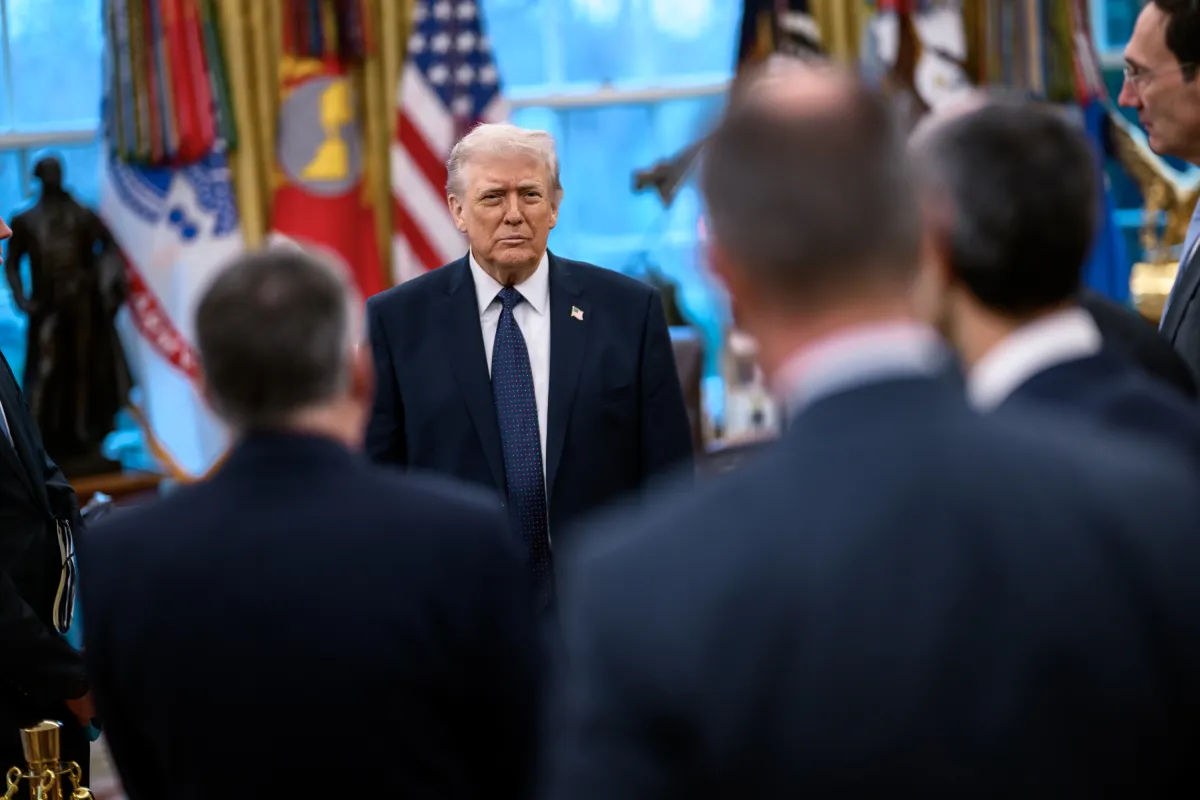
Image Credit: The White House
Iran, predictably, is already posturing, signaling that it could abandon talks if Washington doesn’t keep Netanyahu “in check.”
That kind of manipulation is vintage Tehran — using peace as leverage for chaos. But Trump’s team has made it clear: America’s allies don’t answer to Iran’s threats, and Israel will always defend its borders as it sees fit.
At Camp David, Trump will be surrounded by both his senior advisors and family members, turning the scenic Catoctin retreat into both a command center and a Father’s Day gathering spot.
A White House official confirmed the weekend would blend policy meetings with “private time,” but those close to the President know he never truly clocks out.
This marks only Trump’s second return to Camp David since retaking office in January 2025, a symbolic gesture underscoring his preference for direct, focused engagement over bureaucratic routine.
As questions swirl about Iran, Lebanon, and Israel, Trump’s presence there sends a message — the Commander in Chief is in control, sharpening strategy, and keeping both friends and foes guessing.
At this inflection point, with diplomacy and deterrence walking hand in hand, Trump once again stands where he thrives: right at the intersection of strength and history.
The Iran deal might be complex, but one thing isn’t — America now has a leader willing to make the hard calls and back them with steel.