Ford Finds a New Ally
Canada and Mexico have opened their markets, to varying degrees, to Chinese automakers, but the U.S. remains reluctant. If that changes, American legacy brands could face stiffer competition – and potentially lose market share – to Chinese automakers offering affordable vehicles without sacrificing too much in features and technology.
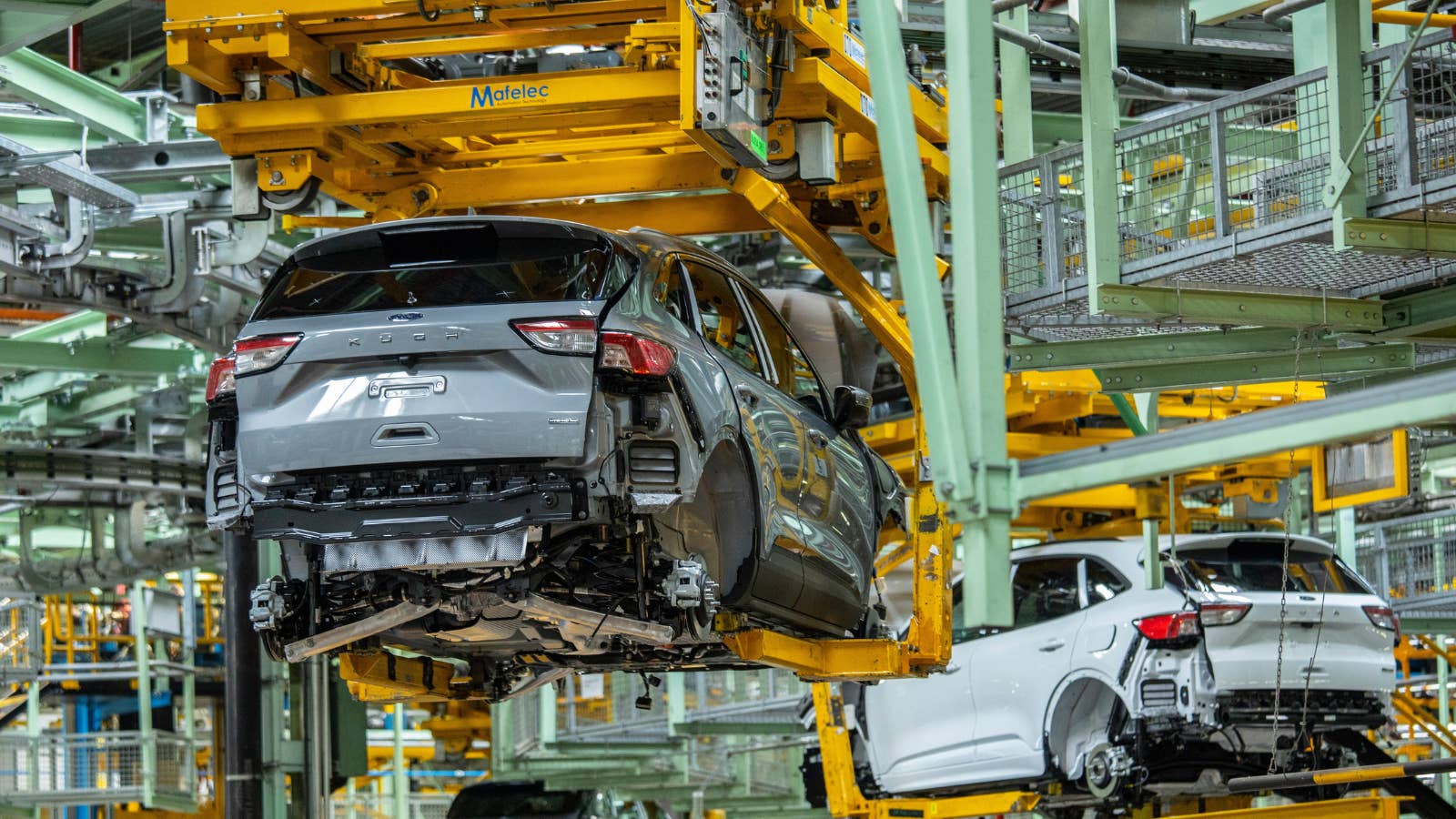
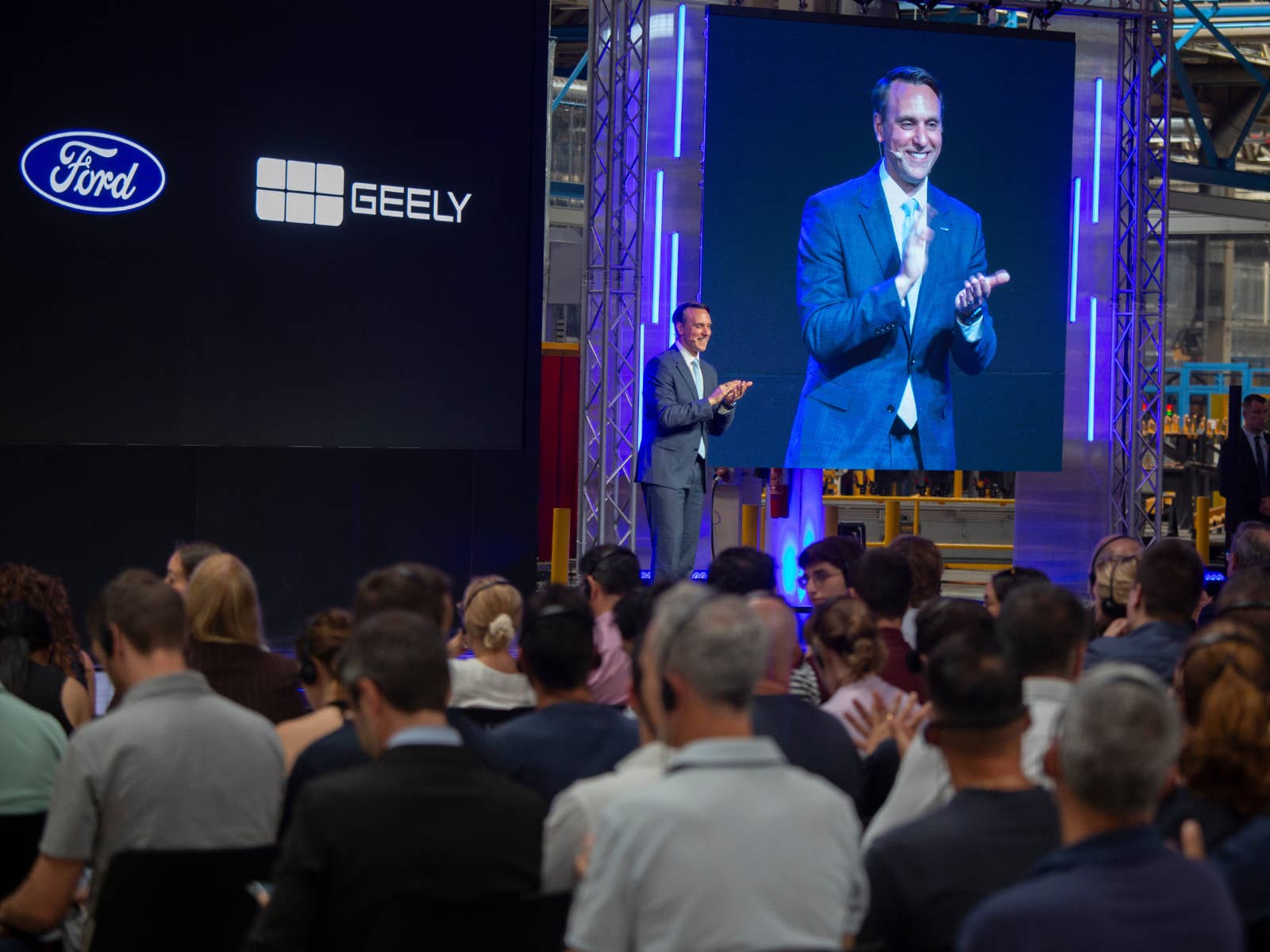
Over in Europe, something similar is already happening. Ford recently announced a joint venture with Geely centered on the Blue Oval brand’s Valencia plant in Spain. Ford will gain a cheaper and more sustainable way to keep the factory running, while Geely will expand its presence in the region.
Knowing What’s at Stake
Ford CEO Jim Farley previously said allowing Chinese automakers into the U.S. would be “devastating” to American manufacturing. Even if Ford does not partner with a Chinese automaker in the U.S., rival legacy brands could eventually do so, disrupting the competitive landscape and potentially pressuring others to respond.
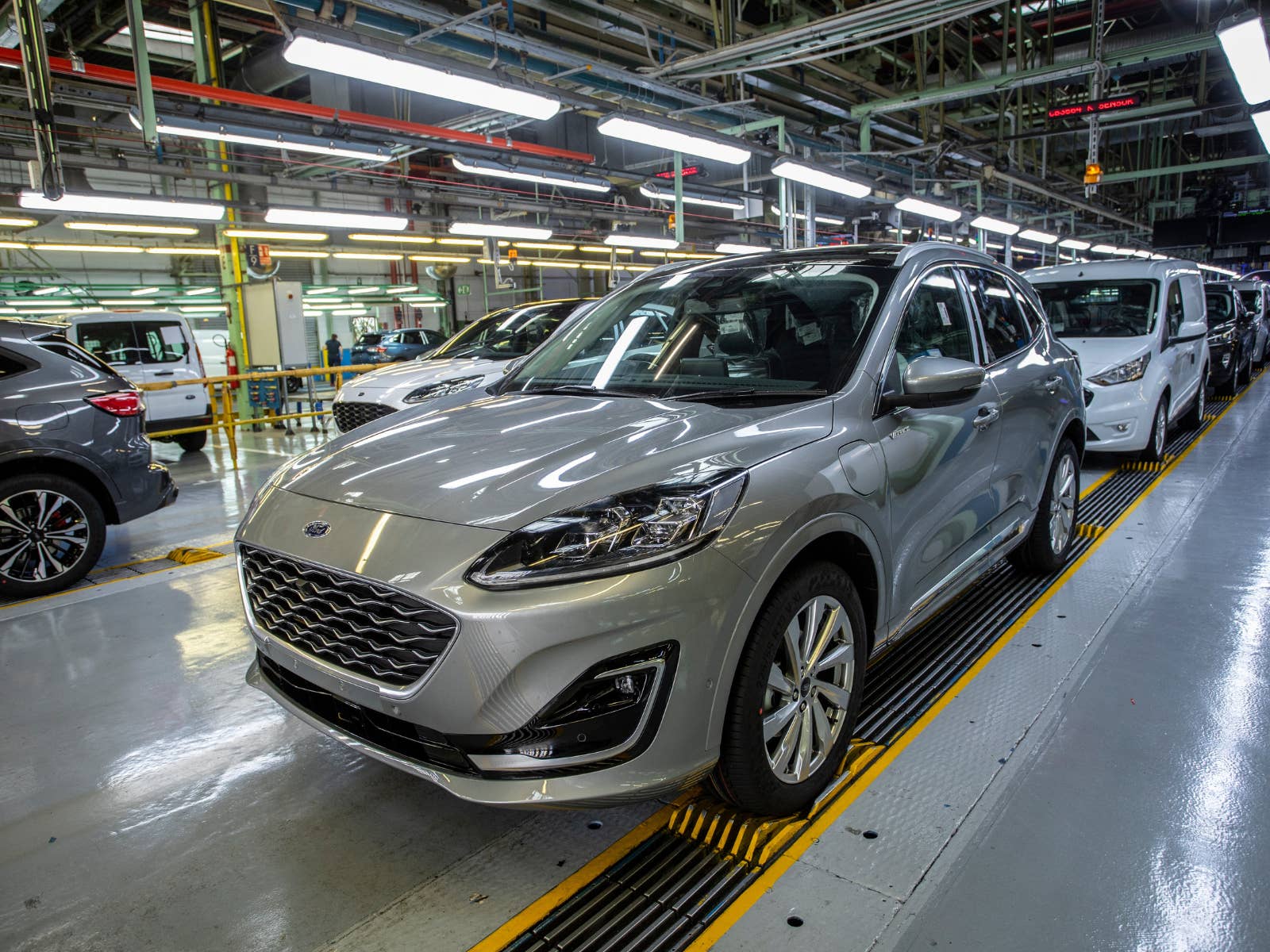
That possibility is hinted at by the Ford-Geely joint venture, which is designed to help both companies compete more effectively in Europe. Under the proposed ownership structure, Ford will hold 66%, while Geely will own the remaining 34%. The partnership plans to produce a new multi-energy crossover designed by Ford and co-developed with Geely. Additionally, the plant will build a new member of the Bronco family and two electric Geely SUVs, while continuing to assemble the Kuga, known as the Escape in the U.S.
Pending regulatory approval, the joint venture is expected to begin operations in the first half of 2027, while the first new vehicles are scheduled to roll off the line in 2028.
Built in Europe, for Europe
Despite partnering with a Chinese automaker, Ford says the joint venture “keeps production, investment, and jobs in Europe, at a European plant, with European workers.” Jim Baumbick, president of Ford Europe, also weighed in, saying, “Together we can fully utilize a best-in-class plant with a great workforce and match the industry’s new cost benchmark.”
Based on the latest developments, a similar scenario remains far from happening in the U.S. Polestar is even set to be barred from selling new vehicles in the country beginning with the 2027 model year under federal connected-vehicle rules targeting technology and automakers linked to China. Still, it will be interesting to see whether Chinese automakers continue expanding their global presence enough to pressure U.S. legacy brands into pursuing new and potentially bolder strategies.
About the author
Rex Sanchez is an automotive journalist with over six years of experience writing car reviews and industry news for publications like Philkotse and the Daily Tribune. He's a licensed aviation maintenance technician who brings technical expertise to his automotive writing.