Don’t worry! Americans are still terrified of meat!
BREAKING: “Americans Haven’t Given Up on Plants”! Thank God! For a minute, I was worried!
Advertisement
The story is that it kinda-sorta looks as though people are sick of being vegan. Between the new MAHA food pyramid and certain influencers doing whatever it is that influencers do (“boy kibble” is the buzzword in the linked story), it looks as though plant food is felled, and meat food is once again ascendant.
But never fear:
Advertisement
Earlier this year, to explore some of these disparities, BITE looked into the protein trend. We analyzed social media influencers and the topics they write about, and what we saw was pretty striking. People are preoccupied with protein, not necessarily meat. In fact, we saw that the vast majority of Americans didn't have strong feelings about getting their protein from meat versus plants; they're open to it all. They might think of meat first, but when presented with other solutions to hit their protein goal — spirulina! moringa! chickpeas! — they're all ears. Well, almost.
I won’t claim to “have been tracking food trends for the better part of the last 15 years” (cynical translation: 7.51 years), but I do number myself among the apparent fringe minority who “have strong feelings about getting their protein from meat.” And in the better part of the years I’ve spent tracking food trends, I’ve seen this narrative pretty well embedded: The unhealthy healthy people, the trend-followers, the people who take pictures of their $56-plus-tax-and-tip restaurant meals, pursue their protein quota with Impossible and Beyond stuff. The real healthy people, the hipsters who were doing it before it was cool, go for beans and chickpeas. And both parties agree that the protein source to be avoided at all costs is the most efficient, effective, and delicious one.
Advertisement
Call this the protein micro-narrative, an example of the bigger problem Americans have with food. We all know we need protein, and we all know the most natural way to get it: meat, eggs, milk. But those are scary, or expensive, or inhumane, so we must eat plants (or bugs) instead. Scientists and doctors and James Bond villains knock the easiest thing, the most natural thing, off the table. And so the arms race begins to see which huge company can most horrifically adulterate bean or chickpea mush to make it look like the cheeseburger we all, in our heart of hearts, and literally in our stomach of stomachs, would prefer to eat.
If you’re enlightened, you go for straight chickpea mush or blueberries and yell at all your friends about how they’re “superfoods.” For the plebs, there’s the “plant-based” fake burger in the flashy box.
Advertisement
Here’s the macro-narrative, that “bigger problem” I mentioned. We American moderns are a little bit “atomic” in our thinking: When we notice that, say, protein is good for us, we scramble to isolate a protein source, pull that “protein atom” out, discard the husk, and concentrate the atom for the most efficient possible consumption. This is how we get products like Fairlife’s Core Power Elite milk product, which promises 42 grams of protein per bottle by running milk so hard through a filter that all of its components, including the protein molecules, get separated. “Dismembered milk” is perhaps too poetic, so they call it “ultra-filtered” instead.
Eventually, we trade food for nutrient dust and think we’re healthy because the numbers on the label check out, even if we’re spending half our day on the toilet. Those “protein-packed” chickpeas are just the “food dust” version of meat.
Advertisement
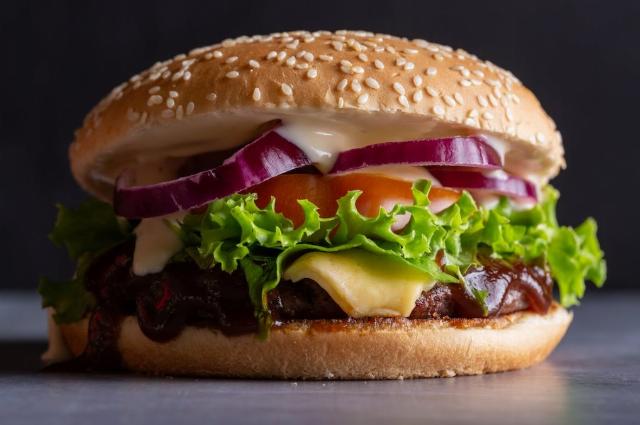
Americans stressed out about how to eat healthy would do well to stop listening to “boy kibble” influencers. Find a good source of meat — say, a nearby farm — and get yourself the ingredients to make a proper cheeseburger, in your own kitchen, minus sixteen different types of taxes and a coercive 25-percent tip. If you want to add some bean paste as a side or a topping, go for it. But we’ll be a happier, healthier country when we stop isolating our nutrients in weird, convoluted sources, like mad scientists, because we have so many more important things to do than eat.
Advertisement
Image via Pixabay.