Trump's Wildfire Reform
In the rugged landscapes of the American West, wildfires have long been a fact of life, but the scale of destruction in recent decades has not. Federal mismanagement, environmental litigation, and bureaucratic inertia turned manageable blazes into catastrophic infernos. Enter President Donald J. Trump and a new brand of realism: prioritize results over red tape, empower private innovation alongside public assets, and fight fires with the urgency they demand rather than the paperwork they don’t.
Advertisement
Recent attacks on Sen. Tim Sheehy (R-MT), a former Navy SEAL and founder of Bridger Aerospace, illustrate the partisan resistance to this approach. Bridger Aerospace, the Montana-based aerial firefighting company Sheehy founded in 2014, has grown into one of the nation’s largest providers of wildfire suppression services, operating the world’s largest private fleet of Super Scooper aircraft for rapid initial attack, fire mapping, and real-time intelligence to support ground crews and protect lives, property, and habitats. Outlets like ProPublica frame Sheehy’s push to expand private aerial firefighting and reduce duplicative U.S. Forest Service (USFS) inspections as self-serving conflict of interest. This narrative ignores the broader context: a sclerotic system in which vague, overlapping regulations ground aircraft when they are needed most, while fires rage.
For years, federal wildfire policy emphasized aggressive suppression at the expense of prevention. Decades of fire suppression without adequate fuel reduction through thinning overgrown forests, prescribed burns, and mechanical treatments, created tinderboxes. Layer on the National Environmental Policy Act of 1969 (NEPA) delays, Roadless Rules, and environmental lawsuits, and the result was predictable: longer fire seasons, more intense blazes, and billions in damages.
Advertisement
Aerial firefighting, a critical tool for initial attack, also suffered under duplicative oversight. US Forest Service “carding” inspections alongside FAA certifications created inspector shortages and delays. Older airframes repurposed for scooping water endure extreme stress, yet the system often prioritized procedural purity over getting planes in the air. Industry voices, including the United Aerial Firefighters Association, warned that these bottlenecks reduced availability during peak seasons, precisely when rapid response prevents small fires from becoming monsters.
ProPublica and critics highlight a Bridger aircraft’s inspection issues coinciding with Sheehy’s draft proposals. Progressives might see honest scrutiny, but context matters. Maintenance flags occur industry-wide; Bridger has invested heavily in safety with no NTSB-reported crashes in its operations. Sheehy placed holdings in blind trusts and stepped down as CEO. The real story is reformers challenging status-quo bureaucracy that fails communities. Those who reflexively oppose Trump's every reform usually miss the point.
Advertisement
President Trump’s approach cuts through the noise with commonsense disruption. In June 2025, he signed Sheehy’s Aerial Firefighting Enhancement Act, reauthorizing the sale of excess Department of Defense aircraft and parts for wildfire suppression, expanding uses to water delivery, and easing international deployment restrictions. This directly bolsters the private fleet, assets that respond faster and more flexibly than sole reliance on federal bureaucracy.
Complementing this, Trump’s Executive Order on Empowering Commonsense Wildfire Prevention and Response directs consolidation of fragmented programs across Interior and Agriculture into a more unified structure. Deadlines for streamlining procurement, technology integration (AI for detection and modeling), and faster response times in high-risk areas signal a shift from endless studies to measurable outcomes. The vision includes a U.S. Wildland Fire Service focused on efficiency, prevention, and leveraging state, local, tribal, and private partners.
Advertisement
This realism rejects both mindless deregulation and oppressive overregulation. Core FAA safety standards remain. Performance-based contracting rewards results. Fuel treatments and forest health get priority over litigation theater. Private contractors like Bridger bring innovation and surge capacity, exactly the agility needed against a changing fire environment driven by fuels, drought, and poor management, not just slogans about “climate.”
Critics on the left decry “cuts to safety” or industry influence. But the data tells a different story: suppressed fires lead to fuel buildup and bigger disasters. Expanded aerial assets and streamlined rules mean more planes flying when it counts, protecting lives, homes, and the very ecosystems environmentalists claim to champion. Bipartisan elements in Sheehy’s work (co-sponsors from both sides) underscore that protecting communities transcends party when reality intrudes.
Advertisement
Trump’s wildfire realism fits a larger pattern: tariffs as negotiation tools, border security as sovereignty, energy dominance as national strength. Disrupt the marketplace of ideas and incentives. Force accountability, deliver results. In wildfire policy, this means rejecting the soft tyranny of unelected regulators who tie operators' hands while cities burn.
As fire season intensifies, the proof will be in fewer escaped fires, faster containment, and healthier forests. Americans in fire-prone states deserve aggressive initial attack, proactive prevention, and reformed governance that values outcomes over optics.
Advertisement
Under Trump realism, we fight fires like we mean it: with strength, innovation, and unapologetic focus on what works.
While corporate media attempts to manufacture hysteria over a senator with real-world expertise daring to reform the system that enriched his former firm, American communities continue paying the price for federal dysfunction. Trump and reformers like Sheehy aren’t undermining safety, they’re finally prioritizing it where it matters: on the ground, in the air, and before the next inferno engulfs another neighborhood.
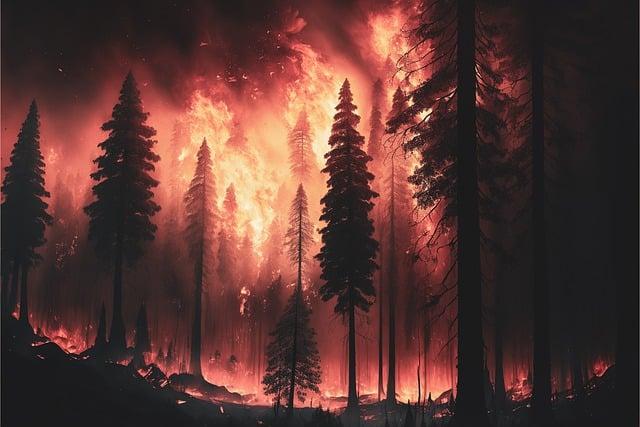
Image: Pixabay