Trump admin limits length of foreign student visas to 4 years
"For nearly half a century, the outdated 'duration of status' system has compromised national security and created an environment ripe for immigration fraud."
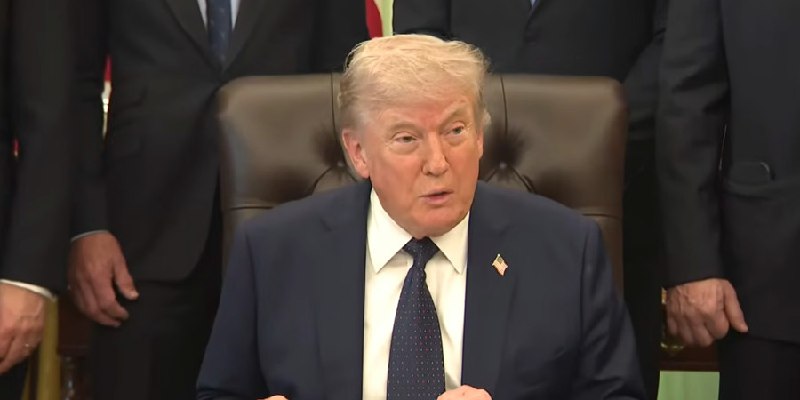
"For nearly half a century, the outdated 'duration of status' system has compromised national security and created an environment ripe for immigration fraud."
The Trump administration announced Thursday that it has finalized a rule ending a decades-old immigration policy that allowed many foreign students and exchange visitors to remain in the United States indefinitely without periodically renewing their immigration status, with an overall maximum visa stay of four years.The Department of Homeland Security (DHS) said the new regulation eliminates the "duration of status" framework for F, J, and I nonimmigrant visa holders, replacing it with fixed admission periods and requiring additional federal review for those seeking to remain in the country beyond their authorized stay.
According to DHS, the rule is intended to strengthen national security, reduce immigration fraud, and restore federal oversight of student visa holders. "For nearly half a century, the outdated 'duration of status' system has compromised national security and created an environment ripe for immigration fraud," DHS Secretary Markwayne Mullin said in a statement.
"For decades, foreign students have been admitted into the U.S. indefinitely, allowing thousands to abuse our immigration system by perpetually enrolling in courses to avoid having to leave the U.S. By implementing clear, finite limits on these visas, the United States is reclaiming its ability to properly screen, vet, and monitor individuals within our borders. This final rule ensures that foreign students remain focused on their primary purpose: completing their studies and returning home."
Since 1978, many international students admitted under F visas and exchange visitors admitted under J visas have been allowed to remain in the United States for the "duration of status," meaning they could stay as long as they continued participating in an approved academic program rather than for a fixed period established by the federal government.
DHS argued that the system enabled some foreign nationals to become "forever students" by continuously enrolling in new academic programs to avoid leaving the country.
Under the final rule, F and J visa holders will instead be admitted for the length of their specific academic or exchange program, with an overall maximum admission period of four years. Students who need additional time to complete their studies will no longer be able to rely solely on approval from their educational institution. Instead, they must file an Extension of Stay application with US Citizenship and Immigration Services (USCIS), where they will undergo biometric screening, background checks, and fraud reviews before receiving additional time.
The rule also shortens the grace period following graduation or program completion. F-1 students will now have 30 days, rather than the current 60 days, to leave the United States, transfer to another school, or change to a different immigration status. In addition, DHS said the regulation places new restrictions on academic program changes designed to prevent abuse of the visa system.
The department said the rule will be published in the Federal Register in the coming days and will take effect 60 days after publication.
Current F, J, and I visa holders already residing in the United States under the previous "duration of status" framework will automatically transition to the new system. Their authorized stay will be capped at 4 years from the rule's effective date unless they receive an approved extension from USCIS.
The Student and Exchange Visitor Program (SEVP), administered by US Immigration and Customs Enforcement, oversees schools and foreign students through the Student and Exchange Visitor Information System (SEVIS), which tracks international students and exchange visitors throughout their time in the United States. Under the new rule, DHS said federal authorities, not university officials, will have greater responsibility for determining whether foreign students may extend their stay.