The Story of the Second Day of Christmas. - The National Pulse
In an increasingly secular world, it can be all too easy to let the retail frenzy dictate what the Christmas season means: frantic last-minute shopping on Christmas Eve, rather than a traditional vigil supper, followed by a happy but often overwhelming celebration on the 25th, and then—done.
Our forebears observed the proverbial “reason for the season” rather differently. The Twelve Days of Christmas carol, first printed in the 18th century and memorably covered by Bing Crosby in the 1940s, is one reminder that Christmas is not over on the 26th; it has only just begun.
BETTER TO GIVE THAN TO RECEIVE.Britain, which held on to the old perhaps a little better than America, due to the Puritan pioneers’ distrust of traditional Christian celebrations, observes the Second Day of Christmas as Boxing Day.
Like most venerable traditions, its exact origins are not entirely clear. The name may stem from churches opening their alms boxes on the 26th to give aid to the poor, or from a later custom of wealthy households preparing “Christmas boxes” of money, gifts, and leftovers for servants and tradespeople who had to work on Christmas Day.
What is clear is that the Christian meaning of Boxing Day is giving—something we also do on Christmas Day, but chiefly to our family and friends, and with perhaps an unspoken expectation of receiving something in return. We could hardly choose a better way to honor the Second Day of Christmas than by directing some particular attention to doing something for the needy—a vital part of Christ’s earthly ministry.
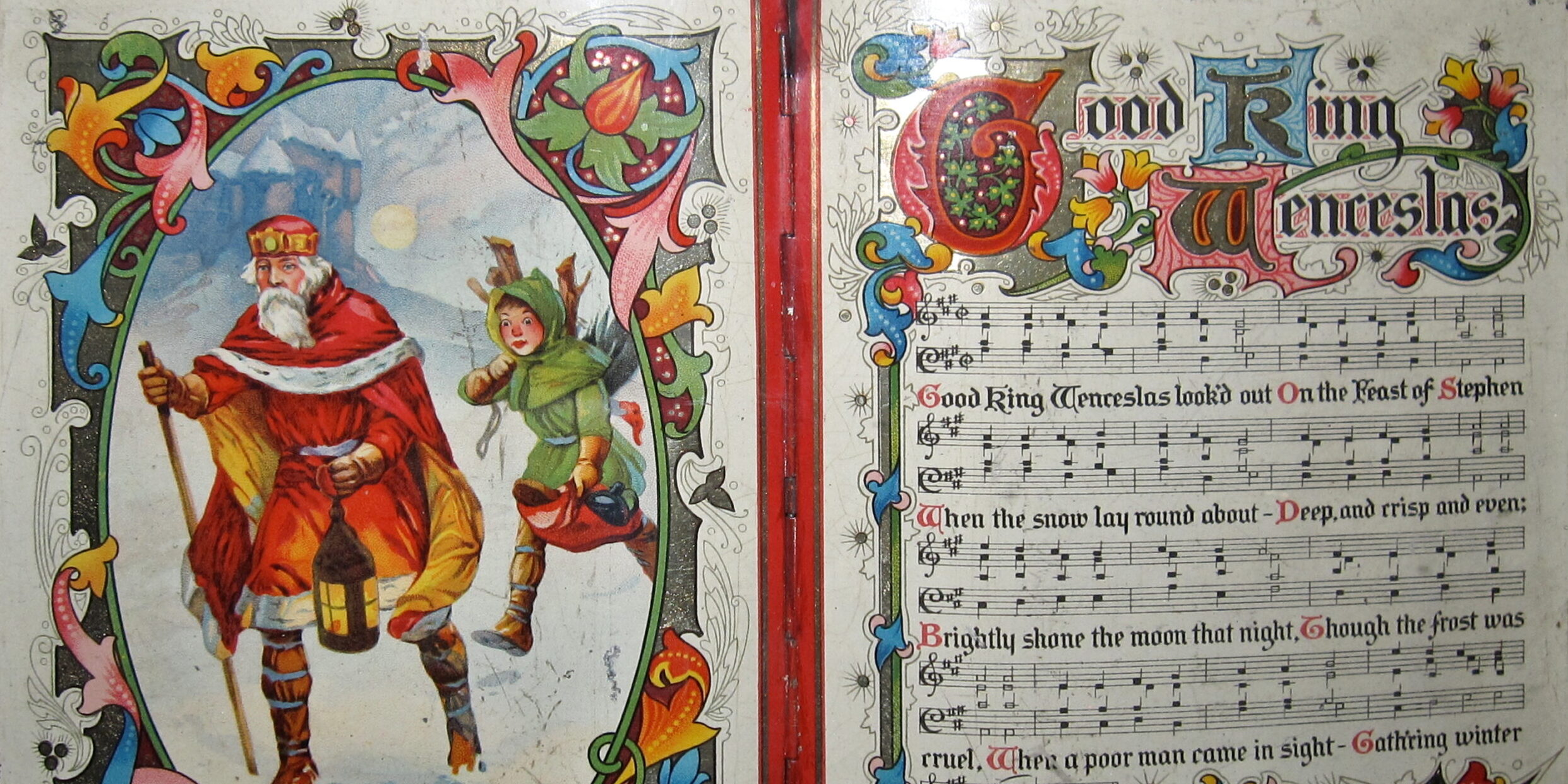
This spirit of giving is captured in another carol, Good King Wenceslas. This recalls how the future saint and martyr Wenceslaus I, Duke of Bohemia, “looked out, on the Feast of Stephen,” and spotted a peasant toiling in the biting cold, gathering fuel for the winter.
The king and his page personally carried firewood, food, and wine to this poor man, so he could celebrate Christmastide in comfort: “Therefore, Christian men, be sure, wealth or rank possessing, Ye who now will bless the poor, shall yourselves find blessing,” the carol tells us.
DEEP ROOTS.Who is Wenceslas’s “Stephen”? Boxing Day has an older name: Saint Stephen’s Day. He also gave of himself for Christ’s sake—indeed, he holds a unique distinction in church history as the first Christian martyr.
Described in Acts as a man “full of faith and power,” he challenged the Jewish religious leaders of his time fearlessly, accusing them of rejecting the true Messiah, and was stoned to death for his trouble. Nevertheless, he was more than an accuser, using his final moments to pray, as Christ did on the Cross, “Lord, do not charge them with this sin.”
At the scene of this gruesome execution was Saul of Tarsus, the future Saint Paul, a pivotal moment in the life of the apostle who left a bigger mark on the New Testament than any other. Indeed, the apostles feature prominently in many of the Twelve Days of Christmas—as we shall see tomorrow.
Happy Boxing Day!

Join Pulse+ to comment below, and receive exclusive e-mail analyses.