No, Christians Did Not Steal December 25 From Paganism. - The National Pulse
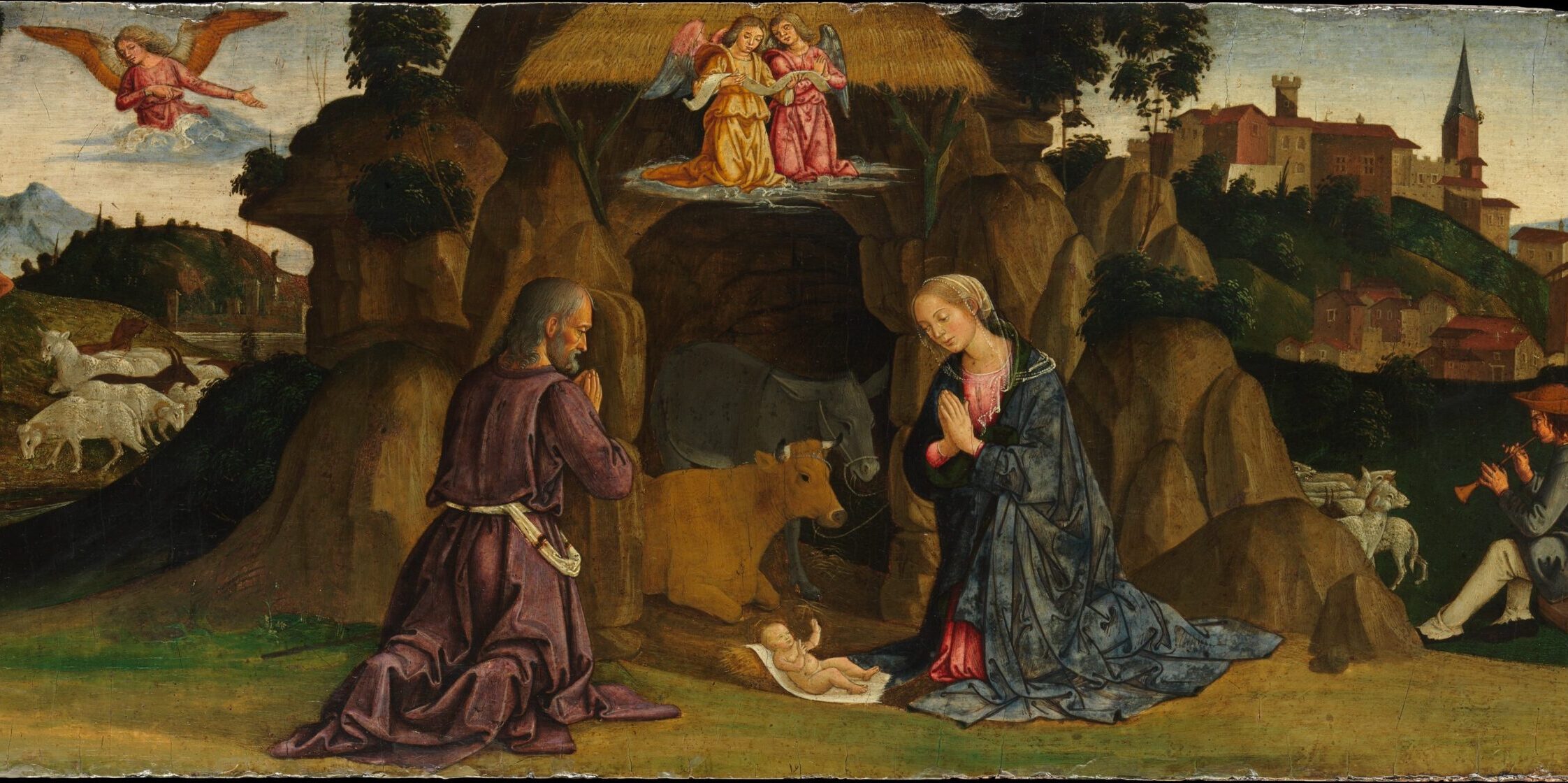
One of the more tiresome secular traditions around Christmas Day is the circulation of the pseudo-intellectual myth that Christians “stole” December 25 as Jesus’s birthday from the Roman festival of Sol Invictus, the “Unconquered Sun” god, co-opting a popular pagan celebration for their own purposes after the Roman Empire’s conversion to Christianity.
This narrative was recently advanced by English Heritage, a publicly-funded charity responsible for maintaining many historic sites in England, in a now-deleted post reading: “Why do we celebrate Christmas on 25 December? It was celebrated by the Romans as the birth of the sun god, Sol Invictus. After the Roman Empire converted to Christianity, it was changed into a Christian holy day.”
English Heritage soon admitted the claim was inaccurate amid backlash from historians. In fact, the historical evidence shows the timeline runs in the opposite direction: Christians associated December 25 with Christ’s birth decades—or even over a century—before any clear record of Sol Invictus being celebrated on that date.
Unlike the Resurrection, which Christians celebrated from the earliest days, the exact date of Jesus’s birth was initially less clear to the Early Church. Initially, several dates were proposed, but December 25 rose to the top through theological reasoning, not pagan “borrowing.”
Tradition has long dated the Annunciation of the Lord, marking the Archangel Gabriel’s visit to the Virgin Mary to tell her she bear the Savior, to March 25. Tradition also holds that Christ and the great prophets died on the same day they were conceived, and so many of the Church Fathers dated Christ’s crucifixion to March 25. Therefore, Church Fathers such as Tertullian and St. Hippolytus of Rome had calculated December 25 as the date of Christ’s birth by around 200 A.D., based on a typical nine-month pregnancy. By 336 A.D., the Depositio Martyrum section of the Philocalian Calendar listed December 25 as the date of Christ’s birth, confirming an established Christian feast on that date by at least the mid-330s.
Meanwhile, the earliest potential reference to a “Natalis Invicti” (Birthday of the Unconquered) on December 25 is in a 354 A.D. Notably, it says “Invicti,” not explicitly “Sol Invicti,” so may not even refer to Sol Invictus specifically, with “the Unconquered” being a title rather than a name. No pre-354 evidence ties Sol Invictus definitively to December 25.
In short, the evidence shows Christians celebrated Christ’s birth on December 25 by the early third or mid-fourth century, while Sol Invictus’ association with that day surfaces only in 354 A.D. If any “borrowing” occurred, it may have been pagans adapting to a Christian observance, as Christianity grew and paganism shrank away.
Merry Christmas!

Join Pulse+ to comment below, and receive exclusive e-mail analyses.