Flesh-Eating Parasite Cases Continue to Rise in U.S.
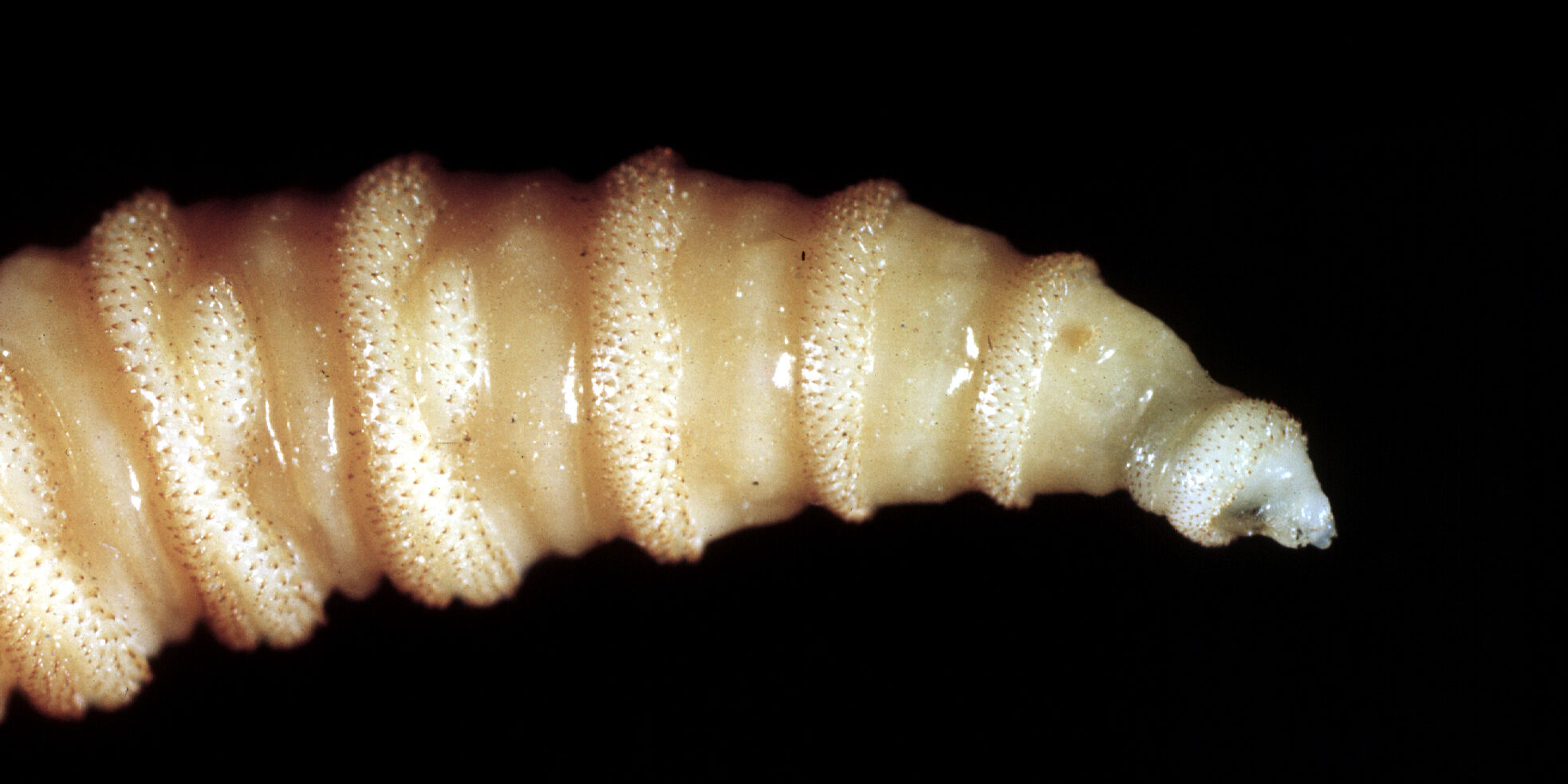
Reports of four new cases of the New World screwworm in Texas have prompted local disaster declarations and calls for federal intervention to prevent the spread of the dangerous flesh-eating parasite.
| PULSE POINTS |
| ❓ WHAT HAPPENED: Four new cases involving a flesh-eating parasite thought to have been eradicated in the United States in the 1960s have been confirmed, raising fears it could become endemic once again.💬 KEY QUOTE: “I have activated the full use of all state resources to respond to the New World Screwworm threat. The protection of our ranchers, livestock producers, deer breeders, and the Texas economy from this pest is a top priority. We have eradicated this pest before, and we will do it again in close cooperation with our federal partners. Texans should stay alert, check animals daily for wounds, and report any suspected cases immediately.” – Greg Abbott, Governor of Texas (R)🎯 IMPACT: This is the first major screwworm outbreak in the United States in approximately 60 years. The parasite poses a particular threat to the livestock industry, a major component of the Texan economy, as well as to the state’s wildlife. Texas’ livestock industry suffered losses amounting to roughly $1.8 billion in today’s dollars during previous outbreaks. As such, state officials have called for additional federal resources and thorough monitoring to ensure that the parasite does not gain a permanent foothold in the country.📺 DETAIL: Jim Hogg, Kinney, and Uvalde counties in south-west Texas have declared local emergencies. Similar declarations are expected to be announced in La Salle, Val Verde, and Webb counties. Since the confirmation of an outbreak, a 12-mile quarantine zone has been established near the U.S.-Mexico border, and coordination between federal and state authorities is underway. The screwworm lays eggs in open wounds. Once these eggs are laid, they hatch into larvae. The larvae burrow into the flesh of living creatures, occasionally including humans, like tiny screws, hence the parasite’s name. This causes severe infections and potential fatalities if left untreated. Thus far, the screwworm has been detected in livestock and pets. Specifically, the U.S. Department of Agriculture (USDA) confirmed cases on Friday last week and Monday involving multiple calves and a pet dog.📺 FLASHBACK: The federal government is already spending $750 million to curtail the spread of the parasite. The first case of a human screwworm infection was reported in August 2025. According to the U.S. Department of Health and Human Services, the patient was infected after visiting an area of El Salvador that had experienced an outbreak of the flesh-eating parasites. |
JUST NOW: @SecRollins in Kerrville, TX touring the cutting-edge @USDA_ARS Knipling-Bushland Livestock Insects Research Lab — the epicenter of game-changing research in our war on New World Screwworm.
Newsletter Need to Know.Your free, daily feed from The National Pulse.
Thank You!You are now subscribed to our newsletter.
This facility has developed a novel sterile fly strain that doubles production… pic.twitter.com/JTCsoDDGdt
— New World Screwworm Rapid Response (@Screwworm_RR) June 8, 2026
Join Pulse+ to comment below, and receive exclusive e-mail analyses.