Top Trump Ally Orban Faces Electoral Disaster. Here’s Why…
 PULSE POINTS
❓WHAT HAPPENED: Hungary has announced its parliamentary elections will take place on April 12, with Prime Minister Viktor Orbán facing a significant political challenge.
Newsletter Need to Know.Your free, daily feed from The National Pulse.
Thank You!You are now subscribed to our newsletter.
👤WHO WAS INVOLVED: Prime Minister Viktor Orbán, opposition leader Péter Magyar, President Tamás Sulyok, and the Hungarian electorate.
📍WHEN & WHERE: The election is set for April 12, with the official campaign period starting on February 21, in Hungary.
💬KEY QUOTE: “One of the cornerstones of democracy is the right to vote freely.” – Tamás Sulyok
🎯IMPACT: The election will determine whether Orbán retains power or if Péter Magyar and the opposition can capitalize on dissatisfaction with the government.
Hungary will hold its next parliamentary election on April 12, President Tamás Sulyok has announced, setting the stage for a closely watched contest that could alter the country’s political trajectory. The vote comes at a difficult moment for Prime Minister Viktor Orbán, who has been in power since 2010 and now faces his most serious challenge in years. Independent opinion polls indicate that Orbán’s national populist Fidesz party is trailing the opposition Tisza party, led by Péter Magyar, a former government insider placed at the head of an alliance of virtually every other party in the country, with the tacit backing of the European Union (EU) and other globalist entities.
Magyar has gained support by focusing on economic stagnation and high living costs—driven in large part by the inflationary impact on Hungary of the war in neighboring Ukraine, where Orbán has long argued for a peace settlement over open-ended support for Ukraine and a damaging Russo-Western sanctions war.
Orbán has pledged to introduce further anti-corruption reforms and to secure the release of billions of euros in EU funds that remain frozen due to alleged concerns over judicial independence and the rule of law in Hungary, which the EU has often used as an excuse to punish the country for resisting initiatives such as Europe-wide migrant quotas.
Orbán described Hungary under his stewardship as an “illiberal democracy,” prioritizing national sovereignty and popular conservative values over liberal globalist values. His Fidesz party has framed the upcoming election as a stark choice between “stability and chaos,” accusing the opposition of serving the European Union’s interests and seeking to undermine Hungarian sovereignty. The ruling party has also warned that the Tisza party would raise taxes and impose austerity measures if elected.
The official campaign period begins on February 21, when parties and candidates will be able to collect voter signatures and display campaign materials.
The election will take place against the backdrop of several conservative policy moves by Orbán’s government that the European Union is trying to block or overturn. For instance, earlier this year, Hungary adopted a constitutional amendment allowing authorities to protect children from LGBT ideology by effectively banning events like Pride parades, which children are likely to be exposed to.
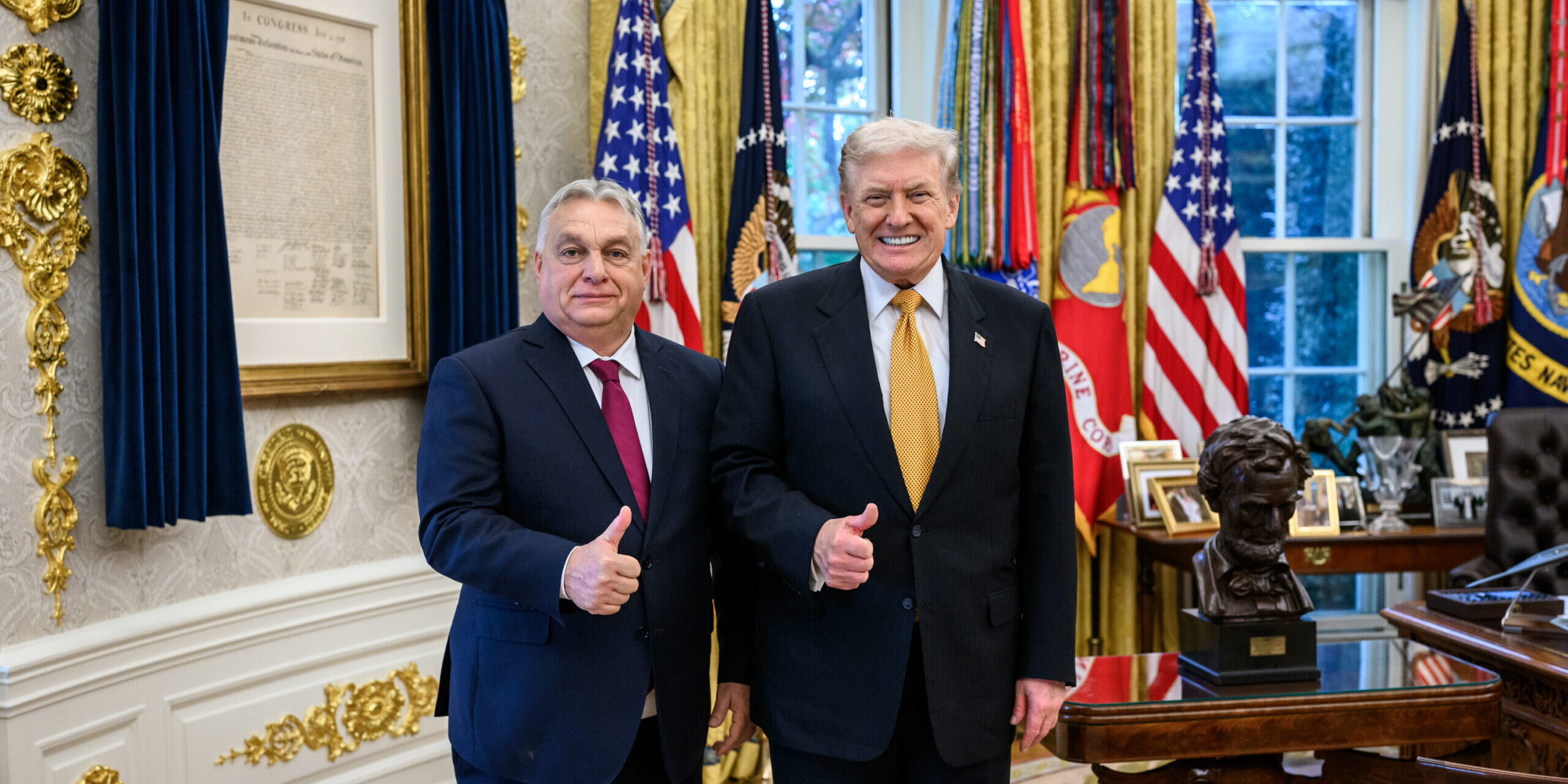
Orbán has also drawn international attention for his close relationship with President Donald J. Trump, being one of the few world leaders to publicly back the America First leader ahead of the 2024 election. In late 2025, Trump suggested that Hungary could be exempted from U.S. sanctions on Russian energy, citing the landlocked country’s heavy dependence on Russian oil and gas for historical and geographical reasons.
Join Pulse+ to comment below, and receive exclusive e-mail analyses.