The Wrong People Hold Health Care Purse Strings – The American Spectator | USA News and Politics
When the American Heart Association (of which I was a member) reports on our “healthcare affordability crisis,’ they describe a major symptom for both the nation and individual Americans. They do not identify the etiology or root cause of unaffordability: “bureaucratic diversion.”
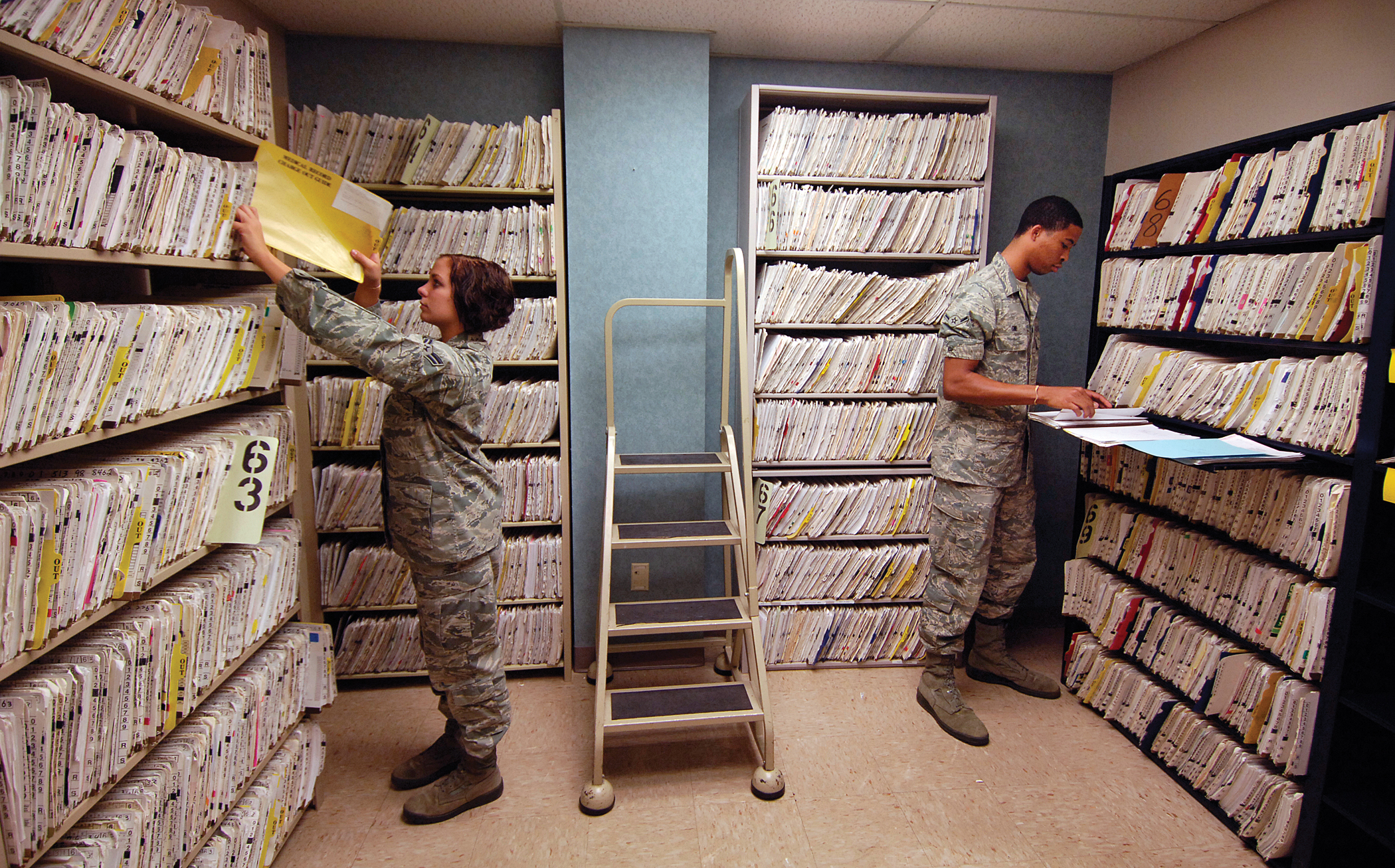
Last year, the U.S. expended $5 trillion on its healthcare system. That is a greater amount than the entire GDP of Japan. At least half of that enormous sum, $2.5 trillion, was spent on BURRDEN — bureaucracy, unnecessary rules and regulations, directives, enforcement, noncompliance activities — and thereby diverted from patient care.
Give all the money they earned to We the People (We the Patients). Let them shop, spend, and save.
In 2025, the U.S federal government spent $7.0 trillion. Since it received $5.2 trillion in revenue, the deficit was $1.8 trillion. Thus, inefficient healthcare spending, i.e., spending that produces no patient care, aka wasteful spending, was greater than the entire deficit.
If DOGE had been able, miraculously, to eliminate wasteful government spending just on healthcare, there would have been a surplus last year, not a deficit.
On the individual/family level, “unaffordable” is an interesting word. Both insurance as well as care has been priced beyond the average pocketbook for years and prices keep rising. Last year double-digit increases in insurance costs provoked a Democrat government shutdown. Now, insurers want an average 14 percent increase in ACA premiums for next year.
Apparently, there is no brake on price increases, which could be aptly described as gouging. Individuals have no choice as to whether to pay whatever they charge. Whatever the price of health insurance, people pay it because they need health care to live and be healthy or recover from sickness.
In any free market (which healthcare is not), there are forces tending to drive prices downward: consumers’ need to economize and inter-seller competition. The absence of free market forces in healthcare misaligns incentives causing prices to rise without end in sight. Consumers, aka patients, are not the payers — they are not spending out of pocket for the full, exorbitant price. Since they are (or think they are) spending OPM (other people’s money), they feel no need to economize.
In healthcare, sellers of both insurance and care do not compete for patients’ dollars. They compete for contracts. Any price reduction caused by such competition does not redound to patients, who only see and pay charges, not negotiated, proprietary, and confidential prices.
In 2025, 84 million American workers obtained health insurance through so-called employer-sponsored health insurance (ESHI). So-called because it is not “sponsored” by the employer. The money sent to insurance companies is wages earned by employees but not paid to them. ESHI is an obsolete hold-over from World War II wartime wage freezes that should have been repealed eight decades ago.
Last year, the average amount employers paid to insurance companies averaged $26,993 for 84 million workers and their families. These are wages rightfully belonging to the employee that were diverted to insurance companies.
$26,993 times 84 million equals $2.2 trillion. Intriguing how the number of $2 trillion keeps cropping up, especially if it could be used for patient care.
What if workers were paid their full wages and were able to use that money for their medical needs? No third parties making decisions about medical care or spending. By the numbers, Americans could have more than $2 trillion by repealing the ESHI. They could put $26,993 in a new, no-limit HSA and pay for care and insurance out of pocket.
Prices would fall dramatically as free market forces mentioned above come back into effect. There would be no need to spend the $2.5 trillion “healthcare” dollars that were diverted from care to pay for bureaucracy. The U.S. could then have a balanced budget.
In addition to making care and insurance affordable and available, there is another benefit from repealing ESHI and “send the money directly to the people” (President Trump, November 2025). When people pay directly rather than third-parties and especially federal government freely expending taxpayer dollars, medical fraud such as the Minnesota Medicaid multi-billion-dollar scam becomes impossible.
The best solution for the healthcare affordability crisis is not price fixing and certainly not more costly regulations. It is treating the root cause of unaffordability: the wrong people control healthcare spending.
Give all the money they earned to We the People (We the Patients). Let them shop, spend, and save. They will use it more wisely than faceless, unaccountable bureaucrats.
READ MORE from Deane Waldman:
Why Your Phone Got Cheaper — and Your Health Insurance Didn’t
Empower Patients, Reclaim Healthcare
Empowering Patients in a Broken System
Deane Waldman, M.D., MBA, is Professor Emeritus of Pediatrics, Pathology, and Decision Science; former Director of the Center for Healthcare Policy at Texas Public Policy Foundation; former Director of the New Mexico Health Insurance Exchange; and author of award-winning, “Become an Empowered Patient.” Follow him on X.com@DrDeaneW or visit website www.empowerpatients.info.