Iran, Oman to Cooperate on Strait of Hormuz Management | Egypt Oil & Gas
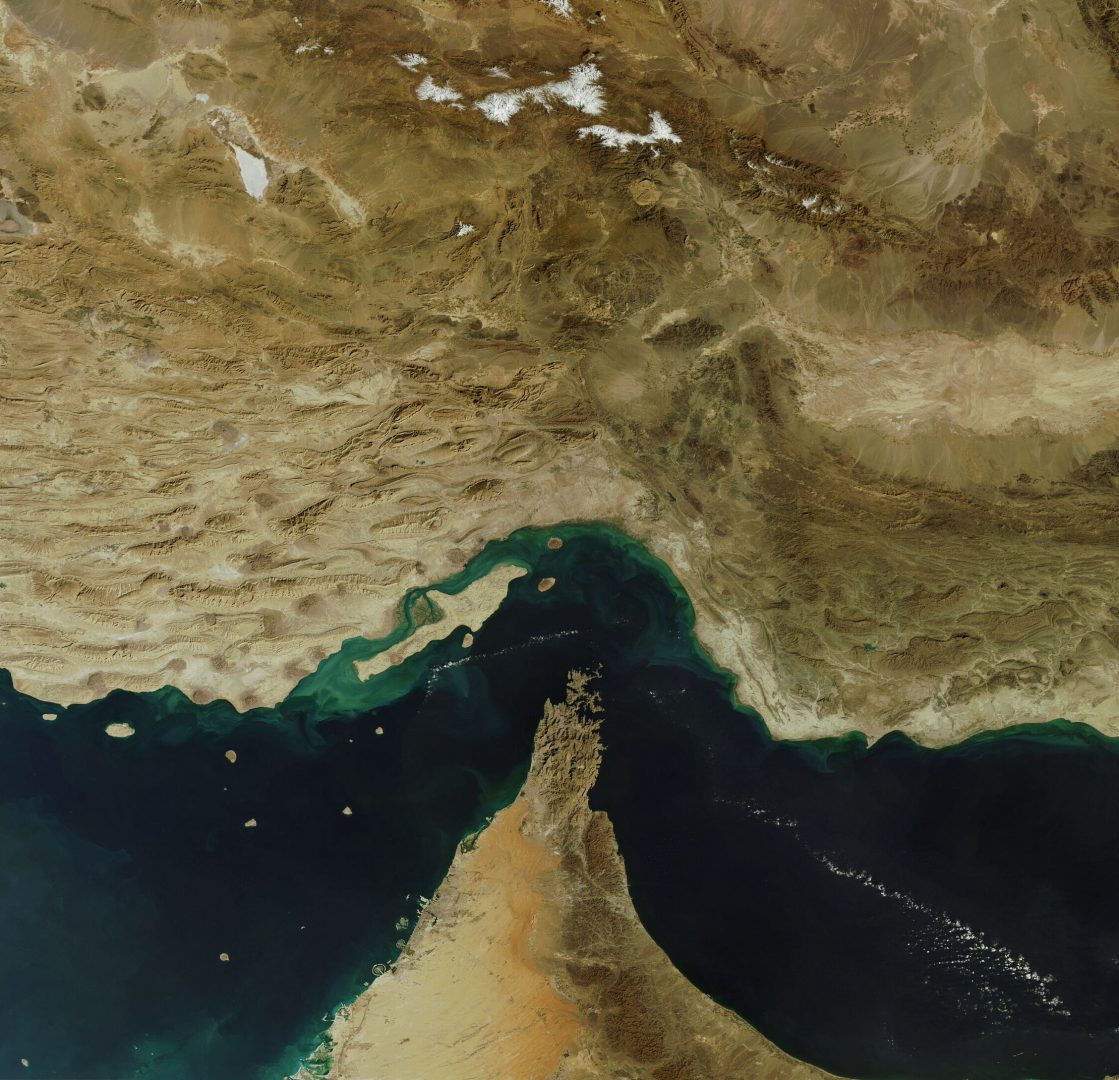
Iran has announced that it is moving forward with plans to coordinate with Oman on the administration of the Strait of Hormuz, one of the world’s most important oil transit routes.
Foreign Minister Abbas Araghchi said the initiative aligns with international law, stressing that both countries, as coastal states on the waterway, have a legitimate role in its oversight. He dismissed US positions that classify the strait as international waters guaranteeing unrestricted passage for all shipping.
He added that regional countries bordering the Gulf would be consulted, while governance decisions would ultimately be made jointly by Iran and Oman.
Araghchi also clarified that Iran is not seeking to impose a transit toll, but may introduce service-related charges for navigation assistance, pilotage, and maritime safety operations, which he said would improve security for vessels passing through the strait.
Separately, he noted that communication with Iran’s Supreme Leader remains active, with instructions being conveyed and implemented as needed.
The Strait of Hormuz has traditionally been governed under international maritime law, particularly the principle of transit passage, which ensures the free movement of vessels through strategic waterways used for global trade.
Although it lies between Iran and Oman, the strait has not been jointly administered by the two countries; instead, its operations have been shaped by the UN Convention on the Law of the Sea and broader international practice, with regional and external naval forces also playing a role in maintaining security and safeguarding shipping routes.