Precious Metals Stabilize After Sharp Volatility
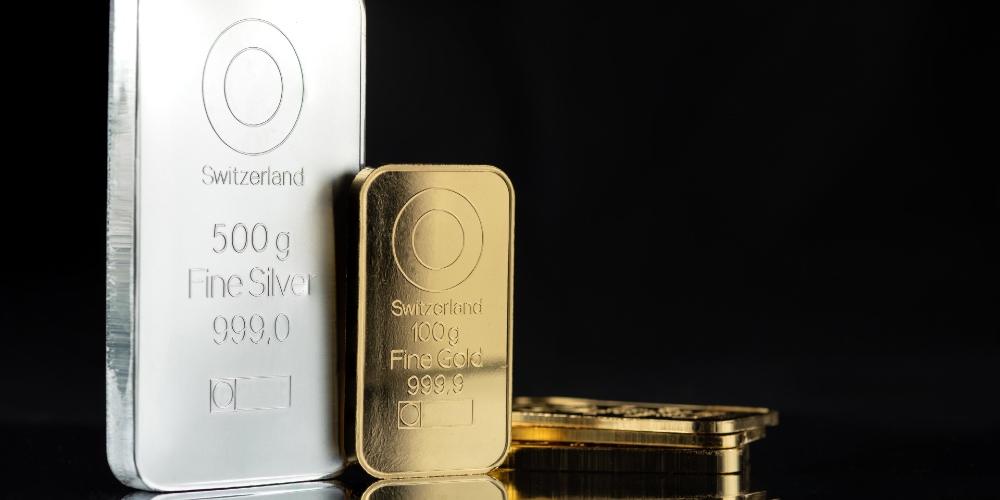
Precious metals markets show signs of stabilization entering 2026 following intense volatility and profit-taking at the end of 2025, with gold holding near $4,300 per ounce and silver recovering into the $70 range.
Gold closed 2025 with gains exceeding 65%, briefly surpassing $4,500 before retreating amid broader market resets. Silver delivered even stronger performance, surging over 120% to highs above $70, driven by industrial demand and safe-haven flows. Both metals experienced sharp pullbacks in late December after the Chicago Mercantile Exchange raised margin requirements to curb speculative excess.
Analysts attribute the recent calm to a natural pause after extraordinary rallies. Central bank purchases remain robust, providing underlying support despite reduced volumes at elevated prices. Industrial consumption, particularly silver’s role in solar panels, electric vehicles, and AI infrastructure, continues to tighten physical supply.
Major institutions forecast continued elevation in 2026. Goldman Sachs projects gold reaching $4,900 by year-end in its base case, while JP Morgan sees averages above $4,600 in the second quarter rising toward $5,000 later. Silver targets cluster in the mid-$70s, with potential for higher if deficits persist.
Geopolitical tensions and expectations for Federal Reserve rate cuts bolster the outlook. Lower rates reduce opportunity costs for non-yielding assets, while a softer dollar enhances appeal for international buyers. Persistent deficits—silver’s sixth consecutive year—reinforce structural strength.
Short-term risks include renewed profit-taking or shifts in risk appetite. Overbought conditions from 2025’s momentum suggest possible consolidation early in the year. Stronger economic growth could temporarily divert flows to equities, pressuring safe-haven demand.
Conservative investors view current levels as opportunities to accumulate physical holdings or related assets. Precious metals serve as effective portfolio diversifiers amid ongoing uncertainty over inflation, debt levels, and global trade dynamics.
The transition into 2026 highlights resilience in hard assets. While explosive gains like 2025’s may moderate, fundamentals point to sustained support rather than collapse.