Social Media Is An Odd Thing
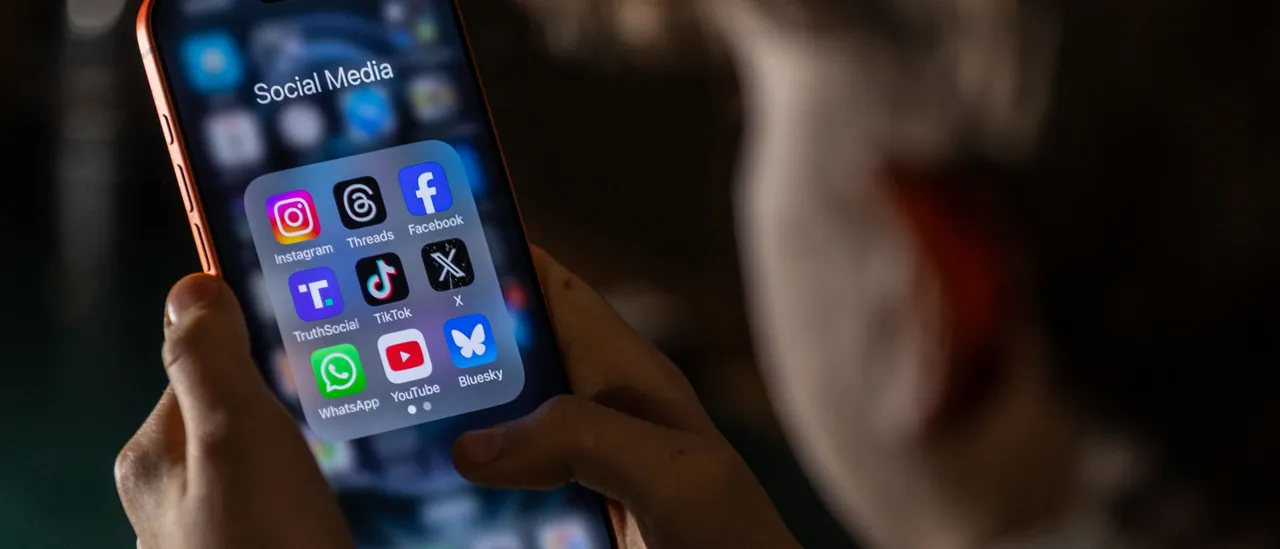
Social media is an odd thing.
The vast majority of Americans use it, but most think it has a negative effect on our society. As a Reagan conservative, my initial reaction to this issue was that protecting kids online is parents’ sole responsibility, not the government’s.
I’ve come to realize there’s more to the problem than this reflexive libertarian response.
Yes, parents are responsible for raising their kids. But it doesn’t happen in a vacuum. (RELATED: ‘Mother’ Is Not A Problem To Be Solved)
Families are impacted by the environment around them. Social media has become part of the fabric of childhood. A U.S. Surgeon General report states that 95% of teenagers, and even 40% of children ages 8 to 12, use social media. Even when parents forbid their kids from getting on social media, nearly 8 in 10 kids use it anyway.
Today’s kids face a sad paradox. Social media and smartphones socially isolate them because they reduce opportunities for normal in-person interaction with friends, leaving online encounters as the alternative. Fewer than half ever go on dates
This environment — which parents and kids didn’t create — forces parents and children into a lose-lose choice: Be on social media and miss out on online socialization, however poor that is, or get off it and be even more isolated.
State lawmakers have realized blaming parents isn’t the answer. At least 19 states have passed laws to give parents more effective control over their kids’ access to social media. That is an important first step.
The second step is informing social media consumers. The free market works best when consumers are armed with the truth. Like any consumers, social media users can’t make good choices unless they know the benefits and risks of the products. Social media companies should be required to inform parents that their products expose kids to extreme, even life-threatening risks.
Here are a few examples:
Not all kids will suffer the most severe harms. But millions of children are experiencing harmful effects.
Psychologist and social media expert Jonathan Haidt has collected a wealth of research demonstrating social media’s harms to kids, including increased loneliness, anxiety and risky behaviors; decreased ability to empathize; and loss of attention and focus.
Companies have long been held legally liable if they don’t tell consumers the truth about the risks of using the products they bring to market. The New Mexico attorney general did just that when he sued Meta, the company that owns Facebook and Instagram, alleging it misled consumers. In March 2026, a jury agreed, rendering a landmark $375 million jury verdict against the company.
Social media is so entrenched that even many well-informed parents will continue to let their kids use it. The next piece of the puzzle is holding social media companies liable when they intentionally distribute addictive products that are unsafe for kids. In March, a California jury found Google and Meta’s addictive social media platforms harmed a young girl and rendered a $6 million verdict against the companies.
During their 2026 legislative session, Mississippi legislators codified these principles in a new law called the Keeping Kids Safe Online Act. The law directs the Mississippi Department of Education to develop an online safety curriculum to teach kids in grades six through 12 about social media’s risks and benefits.
Second, the law makes social media companies liable for misleading parents and kids about their platforms’ dangers for kids. Violators are subject to civil penalties of $10,000 per incident.
Third, the Mississippi law recognizes that social media platforms that are addictive to kids under age 18 are defective products, so parents of harmed kids can sue under the state’s products liability law.
Finally, addictive platforms that repeatedly expose kids under 18 to illegal pornography are made subject to lawsuits by parents.
Big Tech puts out dangerous social media products, then when kids get hurt, their lawyers and lobbyists blame parents and hide behind the First Amendment. The First Amendment was intended to protect free argument and debate, not to give companies a free pass to mislead consumers and distribute dangerous, defective products.
It’s time lawmakers nationwide realized that social media is creating a public health crisis parents can’t solve alone. It’s time state lawmakers started listening to their constituents.
Parents need help. And state legislators, looking to laws like those passed in Mississippi, can finally provide real assistance that will protect kids while preserving the First Amendment.
All content created by the Daily Caller News Foundation, an independent and nonpartisan newswire service, is available without charge to any legitimate news publisher that can provide a large audience. All republished articles must include our logo, our reporter’s byline and their DCNF affiliation. For any questions about our guidelines or partnering with us, please contact licensing@dailycallernewsfoundation.org.