Shein Is Shifting — And US Tariffs Aren’t Keeping Up
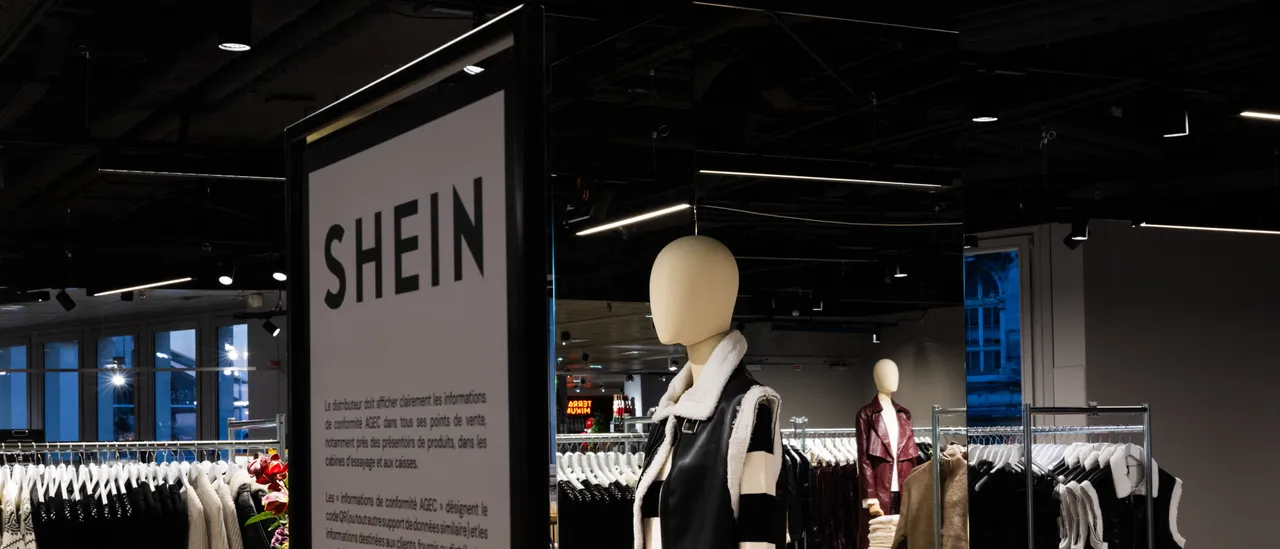
Chinese fast-fashion giant Shein recently announced that it was acquiring the buzzy millennial clothing brand Everlane for $100 million. It was a shocking turn of events for Everlane, an American brand founded on manufacturing transparency and First World ethical commitments — exactly the opposite of Shein’s reputation for allegedly peddling toxic products produced with slave labor.
The obvious implication is that Shein intends to capitalize on customer trust in the Everlane brand. But there is a subtler and more important strategy at work in Shein’s acquisition: evading President Trump’s tariffs. Other Chinese brands, including Temu, are pursuing this strategy, too.
Here’s how it works: When Shein and Temu emerged, they mailed shipments directly from Chinese warehouses to U.S. customers. The U.S. assessed tariffs on these direct shipments based on the retail price of the goods inside each package. (RELATED: Europe Seemingly Comes Around To Trump’s China Stance)
At the same time, President Trump closed the “de minimis” loophole, which exempted goods valued at less than $800 from tariffs altogether.
Higher tariffs and the elimination of the de minimis exemption intentionally double-squeezed Chinese conglomerates like Shein and Temu. These companies ceased their direct shipments and moved to a bulk shipping and warehousing model.
The difference matters, because when, for example, Shein ships items in bulk to the U.S., it pays tariffs only on the wholesale price of the items — a lower price that results in lower tariffs.
Bulk shipments require bulk storage, i.e., U.S. warehouses, and that is the secret ingenuity of Shein’s Everlane acquisition. Shein will gain access to Everlane’s U.S. warehousing, where it can now store its bulk-shipped goods, while pocketing an enormous tariff savings.
The problem is that President Trump’s tariff policy remains parked in place (higher tariffs and no de minimis exemption), while Chinese retailers have recalibrated. They’ve migrated operations to our shores, acquired U.S. warehouses, and are even acquiring American brands to assist in the transition.
Paradoxically, the unintended effect of the changes to U.S. tariff policy may be to invite and expand the presence of cheap, Chinese goods in U.S. markets.
That would be bad enough if the products were merely of low quality, but Shein and Temu are credibly accused of far worse: selling products laced with toxic chemicals, toys containing choking hazards, goods that pose serious fire risks, and overall, failing to adhere to U.S. and international safety standards. This isn’t fair competition, it is exploitation of the American consumer. (RELATED: America First Trade Must Put American Companies First)
President Trump’s tariff policy dealt a first punch to predatory Chinese retailers, but what is missing is a knock-out blow.
Here are three ideas that President Trump can pursue immediately:
First, enforce existing laws, like the Uyghur Forced Labor Prevention Act (UFLPA), to audit bulk product shipments from China to the U.S. and goods stored in the U.S. by Chinese retailers. Adding Chinese retail platforms to the UFLPA creates a rebuttable presumption that their imports are made with forced labor. This subjects their goods to automatic detention and exclusion at U.S. ports and requires Customs and Border Protection to detain goods and perform item-by-item supply chain tracing and, if warranted, allowing for the seizure of entire warehouses if goods are found to originate in restricted regions.
Second, impose bulk import tariffs on China. Congress has pending legislation to do this. Tariffing direct shipments at higher rates than bulk shipments is a policy choice, and it can – and should – be changed.
Third, push all federal departments and agencies – including the Consumer Product Safety Commission — to make the U.S. warehouses of China-linked consumer platforms an enforcement priority, ensuring that all existing U.S. testing and safety standards are rigorously enforced. Domestic manufacturers and American brands importing goods are required to comply with these standards, and if Shein and Temu are going to operate on our shores, they must be held every bit as accountable.
And here’s an assignment for Americans, too: Buy American. Your dollars should support your countrymen, not the CCP.
Theo Wold is a former senior White House official and Department of Justice leader who served in President Trump’s administration. He previously served as Acting Assistant Attorney General for the Office of Legal Policy and as Deputy Assistant to the President for Domestic Policy. Wold is an attorney and policy expert with extensive experience in government, law, and public affairs.
The views and opinions expressed in this commentary are those of the author and do not reflect the official position of the Daily Caller.