Judge Who Freed Convicted Cuban Plane Hijacker Dies Suddenly Days After Controversial Ruling
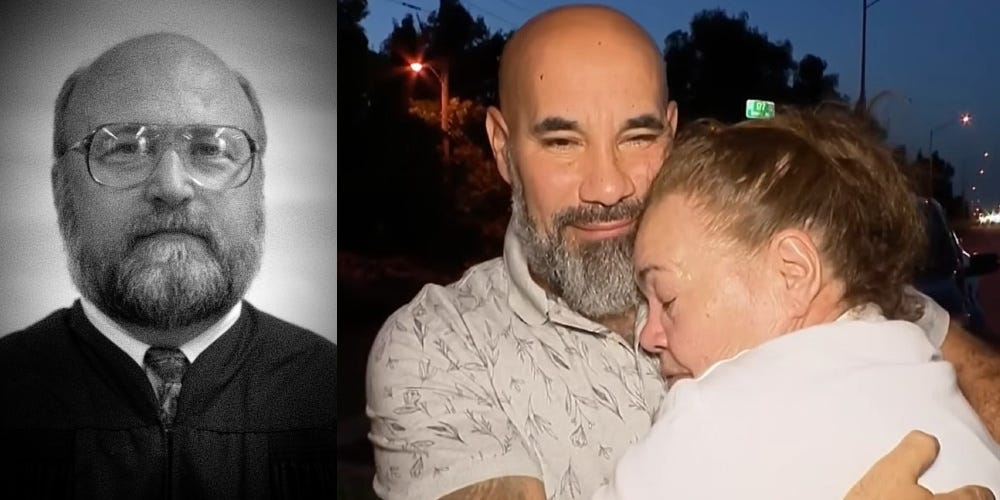
A federal judge appointed by Bill Clinton has died just days after ordering the release of a convicted Cuban plane hijacker back into American communities, raising uncomfortable questions about the fragility of justice and the consequences of judicial activism in an era of heightened border enforcement.
Judge John E. Steele, 77, of Florida’s Middle District, passed away abruptly, according to court officials. His death comes on the heels of a July 8 ruling that freed Maikel Guerra Morales from ICE custody despite his violent 2003 hijacking of a Cuban commuter plane. The timing is as striking as the decision itself, underscoring the unpredictable intersection of human mortality and the rule of law.
His cause of death has not been released.
In 2003, Guerra Morales joined others in commandeering a flight from Cuba, assaulting crew members and forcing the pilot to divert to Key West International Airport. He was convicted of aircraft piracy and conspiracy to interfere with a flight crew, serving more than two decades in federal prison. Upon release, ICE detained him in December 2025 with plans for deportation. Yet Steele intervened, citing prolonged detention without a clear path to removal.
The judge leaned on Supreme Court precedent regarding indefinite detention of aliens whose removal cannot be promptly effected. He noted Cuba’s refusal under anti-torture conventions and the government’s alleged failure to pursue Mexico as an alternative destination with sufficient evidence.
“The Government cannot lock individuals in a cell indefinitely as a workaround for a stalled deportation process,” Steele wrote. Critics, however, see this as another example of prioritizing procedural niceties over public safety.
Department of Homeland Security officials condemned the ruling sharply. One acting assistant secretary described it as activist overreach that forced the release of a criminal illegal alien convicted for hijacking a plane “back into American communities.”
Florida Republican Rep. Greg Steube went further, filing articles of impeachment against Steele for what he called “high crimes and misdemeanors,” arguing the judge had every legal justification to keep the hijacker detained.
This case exposes deeper failures in our immigration system. Even under a Trump administration committed to securing the border, activist judges continue to tie the hands of enforcement agencies. Hijackers and other serious offenders exploit legal loopholes, while law-abiding Americans bear the risks. The irony is thick: a judge appointed during the Clinton years, when migration patterns from Cuba were already a national concern, effectively nullifying efforts to remove someone who once terrorized the skies to reach U.S. soil.
Conservatives have long warned that unchecked judicial power undermines democratic accountability. When elected branches pursue deportation of criminal aliens, only to face roadblocks from lifetime-appointed judges, faith in institutions erodes. Steele’s decision was not merely technical; it placed a convicted hijacker back under supervision in a nation still grappling with record illegal crossings and the real human costs of lax enforcement.
Steube’s impeachment push, though now moot, highlights a growing frustration with a judiciary that often seems detached from the security imperatives of the American people. Plane hijackings evoke visceral memories of vulnerability—acts that weaponize travel against innocents. Releasing such a figure, even temporarily, signals weakness to adversaries like the Cuban regime, which has long exported instability.
America deserves judges who interpret the law with fidelity to its text and the safety of its citizens, not those who stretch precedents to frustrate enforcement. The tragic brevity of Judge Steele’s final days after his ruling serves as a sober reminder: decisions in the courtroom echo far beyond the gavel’s fall.
As debates over immigration intensify, the priority must remain clear—secure borders, swift removals for criminals, and accountability that restores trust in the system.
The fastest growing conservative news aggregator is live at jdrucker.com